
We are going to be honest with you. This is serious.
A third offense DWI in North Carolina carries mandatory jail time, permanent license revocation, and the risk of felony charges if you have three prior convictions within ten years. This guide is for anyone in North Carolina facing a third DWI charge, or their loved ones, who need to understand the legal process and consequences. Knowing what to expect can help you make informed decisions and protect your future.
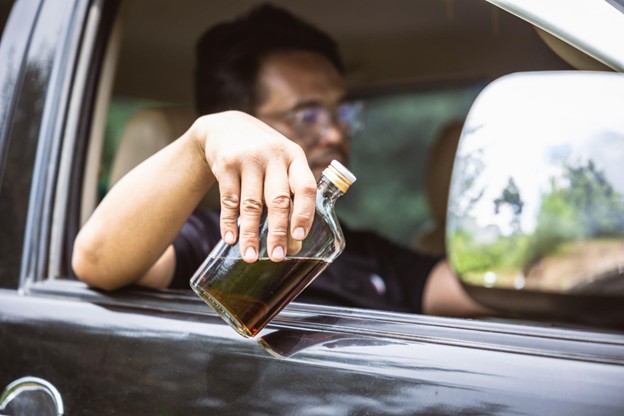
If you have been arrested for a Third Offense DWI (Driving While Impaired), you are in a very tough spot. The police officers probably weren’t nice. The magistrate probably set a high bond. And now, you are sitting at home in Greensboro, High Point, or Burlington, wondering if your life as you know it is over. A third offense in North Carolina is prosecuted under strict north carolina dwi laws, which carry some of the harshest penalties for repeat offenders.
At Huggins Law Firm, we believe in Radical Clarity. We are not going to tell you it’s “no big deal.” It is a big deal. The State of North Carolina wants to put repeat offenders in jail. They want to take your license away for good. A third offense in north carolina can also result in a permanent criminal record, which can impact your employment, housing, and future opportunities.
But here is what else we believe: Everyone deserves a vigorous defense.
Just because you have been charged three times doesn’t mean you are a bad person. It might mean you are struggling with something bigger than just driving. We see the whole person. We have helped many people in Asheboro, Graham, and Winston-Salem navigate this nightmare.
A third offense is the hardest fight you will face in traffic court. But you do not have to fight it alone. The consequences for an offense in north carolina are especially severe compared to other states. You need a team of lawyers who know the local judges, know the science, and know how to minimize the damage to your future.
How Does North Carolina Count a “Third” Offense?
The law in North Carolina focuses on the Lookback Period.
Lookback Period Explained:
The lookback period is the time frame the court uses to count your prior DWI convictions for sentencing purposes. According to North Carolina General Statute § 20-179, the court looks specifically at your record for the last seven (7) years.
- If you have TWO prior DWI convictions within the last 7 years: This new charge is considered your “Third Offense” for sentencing purposes. The court counts each prior conviction as a “Grossly Aggravating Factor,” so each prior conviction counts toward increased penalties.
- What if my priors are older? If your prior DWIs happened 15 years ago, they still count against you, but they might not trigger the worst mandatory jail time. The 7-year window is the danger zone.
The timing of when the convictions occurred is critical, as only prior conviction counts within the lookback period will trigger the most severe sentencing and DMV penalties.
Our lawyers start by looking at the calendar. If one of your prior convictions was 7 years and 1 week ago, it changes the entire case. We check the math because the math determines your freedom, and previous offenses are carefully evaluated to determine how they impact your sentencing.
Now that you understand how prior convictions are counted, let’s look at the difference between misdemeanor and felony charges for a third DWI.
Is a Third DWI a Felony in North Carolina?
This is a very common question, and the answer is confusing.
Usually, a Third Offense DWI (meaning you have two prior convictions) is still a Misdemeanor. It is a very serious misdemeanor, but it is not a felony yet. However, if you receive a third DWI charge within a 10-year period, you may face felony prosecution under North Carolina law.
However, there is a cliff you need to be aware of. It is called Habitual Impaired Driving. Under N.C.G.S. § 20-138.5, if you are convicted of three prior offenses within 10 years, your new charge becomes a Class F Felony. A third DWI conviction can result in permanent license revocation and significantly increased penalties, making the consequences much more severe.
- Misdemeanor Level 1: You have 2 priors in 7 years.
- Felony Habitual: You have 3 priors in 10 years.
If you are facing a Felony DWI, you are looking at a mandatory prison sentence of at least 12 months in prison (not just the local jail). This is why fighting your Third Offense is so critical—we want to stop you from ever reaching that “Habitual” felony level.
Understanding whether your charge is a felony or misdemeanor is just the beginning—the next step is to see how sentencing factors affect your case.
The Role of Grossly Aggravating, Aggravating, and Mitigating Factors
When you’re facing a DWI charge in North Carolina—especially a third offense—the court doesn’t just look at your blood alcohol level. Sentencing is heavily shaped by a set of rules called grossly aggravating, aggravating, and mitigating factors. Understanding how these work can make a huge difference in your case.
Grossly Aggravating Factors
Grossly aggravating factors are the most serious and can significantly increase your sentence. These include:
- Having prior DWI convictions
- Driving while your license was already revoked for an impaired driving offense
- Causing serious injury to someone else while driving impaired
- Having a child under 18 in the car at the time of the offense
Even one grossly aggravating factor can bump your sentence up to Level Two, but if you have two or more—like two prior DWI convictions within the lookback period—you’re looking at Level One or even Aggravated Level One punishment. Each prior DWI counts as a separate grossly aggravating factor, so your history matters a lot.
Aggravating Factors
Aggravating factors are less severe but still increase the penalties. These might include:
- Gross impairment of your faculties (for example, a very high blood alcohol content)
- Especially reckless or dangerous driving
- Negligent driving that leads to a reportable accident
Even if you don’t have multiple prior DWIs, these aggravating factors can push your sentence higher.
Mitigating Factors
On the other hand, mitigating factors can help reduce the severity of your punishment. Examples include:
- Only slight impairment (maybe you were just over the legal limit)
- Safe and lawful driving except for the impairment
- Having a safe driving record before this incident
If you can show the court that your driving was otherwise responsible, or that you have taken steps to address the issue, these mitigating factors can work in your favor.
The judge weighs all these aggravating and mitigating factors to determine your sentencing level. For a third DWI offense, the presence of prior DWI convictions and other grossly aggravating factors usually means a much harsher outcome, but demonstrating mitigating factors can sometimes help reduce the impact. That’s why it’s so important to have an experienced attorney who knows how to present your case in the best possible light.
Now that you know how these factors affect sentencing, let’s look at what jail time you might face for a third DWI in the Triad.
Will I Go to Jail for a Third DWI in the Triad?

For a first offense, we can often avoid jail. For a second offense, it’s 7 days. For a Third Offense within 7 years, jail is mandatory.
North Carolina DWI sentencing is structured into six levels: Aggravated Level One, Level One, Level Two, Level Three, Level Four, and Level Five, with Aggravated Level One being the most severe.
When you have two prior convictions in the lookback period, you typically fall into Level 1 Punishment.
Level 1 Punishment Details
- Jail Time: The law requires a minimum jail sentence of 30 days. The maximum is 24 months.
- Fines: Up to $4,000.
- No Community Service: You cannot do community service to get out of the 30-day minimum jail sentence.
Aggravated Level 1 Punishment
It can get worse. If you have two priors within 7 years AND you had a child in the car (or caused a serious injury), you hit “Aggravated Level 1.”
- Jail Time: Mandatory minimum of 12 months in prison. Maximum of 36 months for this prison sentence.
- Fines: Up to $10,000.
This is why you need a lawyer. We aren’t just fighting a ticket; we are fighting to keep you from spending months or years away from your family. In some cases, we can advocate for special “inpatient treatment” credit to reduce the time you spend behind bars.
Understanding the jail time and penalties is crucial—next, let’s discuss what happens to your driver’s license after a third DWI.
Can I Ever Get My License Back After a Third DWI?
This is the hardest part for many people in Kernersville and High Point who need to drive to work.
Permanent License Revocation
If you are convicted of a third DWI offense (where at least one prior was within the last 5 years), the convicted person’s license will be revoked. The DMV will impose a Permanent License Revocation on your driver’s license. The North Carolina DMV will permanently suspend a driver’s license after a third DWI conviction if the most recent prior offense is within five years of the current offense. A third DWI conviction will result in the permanent revocation of the driver’s license if the last two offenses occurred within five years. The North Carolina DMV will permanently suspend your license after a third DWI conviction.
“Permanent” sounds like forever. And it is a long time.
Driving Privileges and Restoration
- Can I get a privilege to drive to work? No. There are no driving privileges for a third offense. You lose your driver’s license due to permanent revocation imposed by the North Carolina Department of Motor Vehicles. You cannot drive for any reason.
- Is there any hope? Yes, but you have to wait.
After your license is permanently revoked, you can request a DMV Restoration Hearing, but usually only after you have served three to five years of the suspension. At that hearing, you have to prove you haven’t touched alcohol in years. The license reinstatement process is managed by the North Carolina Department, and you must meet strict requirements before your driver’s license can be restored.
Our lawyers help clients with these hearings down the road. But right now, the best way to avoid permanent revocation is to prevent your license from being revoked in the first place by winning the court case so the revocation never happens.
Losing your license is just one consequence—let’s look at what can happen to your vehicle after a third DWI.
Can They Take My Car for Good (Seizure)?
Yes. North Carolina has very strict “Run and You’re Done” laws regarding vehicles.
If you are caught committing a motor vehicle offense involving impaired driving and your license is already revoked for a prior DWI, the officer will seize your car on the spot.
According to the NC Department of Public Safety, for repeat offenders, the school board can take ownership of your car and sell it. The money goes to the local school system.
- Innocent Owner Defense: If you were driving your wife’s car or your mom’s car, and they didn’t know you were blocked from driving, we can sometimes get the car back for them. This is called an “Innocent Owner” petition. We handle these hearings to try and save your family’s vehicle.
Vehicle seizure is a serious risk, but the court system in the Triad also has unique challenges for third offenses—let’s explore that next.
Why Is the Court System in the Triad Different for Third Offenses?

If you search for “DWI lawyer near me,” you will see lots of names. But a Third Offense is different. You need someone who is in the courthouse every day.
The judges in Greensboro, Graham, and Winston-Salem see hundreds of DWI cases. When they see a “Level 1” offender, they are usually not happy. They see a pattern of dangerous behavior. In every case, the judge determines the final sentence based on the facts and any mitigating evidence presented.
- Forsyth County (Winston-Salem): The judges here are strict on sentencing but often willing to listen to treatment options.
- Guilford County (Greensboro/High Point): Remember, there are two courthouses here. The prosecutors in High Point might handle a case differently than in Greensboro.
- Alamance County (Graham): This is a smaller court, but they take safety very seriously.
At Huggins Law Firm, we know how to talk to these judges. We don’t make excuses. We present a plan. We show them that you are getting help (like going to rehab) so they don’t feel like they have to lock you up to keep the roads safe.
The court system’s approach is just one part of your defense—another tool is the SCRAM device, which we’ll discuss next.
What Is SCRAM and Can It Save Me From Jail?
SCRAM stands for Secure Continuous Remote Alcohol Monitor. It is an ankle bracelet that tests your sweat for alcohol every 30 minutes, 24 hours a day.
Why do we use this? For a Third Offense, the judge is worried you will drink and drive again while out on bond.
- Pre-Trial Release: We often argue that you should be allowed out on bond if you wear a SCRAM bracelet. This proves to the judge you are sober.
- Credit for Jail Time: In some specific situations, courts might allow days on SCRAM (combined with inpatient treatment) to count towards your sentence. This is complicated and depends on the judge, but it is a tool we use to try and minimize hard jail time.
SCRAM is just one part of the process—after a conviction, you’ll also need a substance abuse assessment.
Substance Abuse Assessment: What to Expect
After a DWI conviction in North Carolina, one of the first steps you’ll face is a substance abuse assessment. This isn’t just a formality—it’s a critical part of the process that can affect both your sentence and your chances of getting your driver’s license back in the future.
A substance abuse assessment is typically conducted by a licensed counselor or therapist who specializes in impaired driving cases. During the assessment, you’ll be asked about your history of alcohol or drug use, your mental health, and any previous DWI charges or convictions. The counselor will review your driving record and criminal history, and may use standardized tools to evaluate your risk level.
The goal is to determine whether you have a substance use disorder and what kind of treatment, if any, is appropriate. Based on the results, the counselor will recommend a treatment plan. This could range from a short educational program to intensive counseling or even inpatient treatment, depending on your needs and the specifics of your DWI offense.
Completing the recommended treatment is often required by the court as a condition of probation, and it’s also a key step if you ever hope to have your driver’s license reinstated by the North Carolina DMV. Cooperating fully with the assessment and following through on treatment shows the court that you’re taking responsibility for your actions and working to prevent future impaired driving.
If you’re facing a DWI charge, it’s important to take the substance abuse assessment seriously. Not only can it help you address any underlying issues, but it can also demonstrate to the judge that you’re committed to making positive changes—something that can make a real difference in the outcome of your case.
After understanding the assessment process, let’s see how our law firm can help defend your third offense DWI.
How Can Huggins Law Firm Defend a Third Offense?
When the stakes are this high, we leave no stone unturned. We treat a Third Offense like a major criminal investigation.
1. The Stop: Did the law enforcement officer or police officer have “Reasonable Suspicion”? With a third offense, police often know who you are. If they pulled you over just because they recognized your car, that might be illegal. If the stop was bad, the evidence is thrown out.
2. The Blood/Breath: For a third offense, officers often skip the breathalyzer and get a warrant for your blood. We analyze the blood report. Was the blood stored correctly? Did they wait too long to draw it?
3. The Priors: We attack your history. We go back to the courthouses where you got your first two DWIs. Did you have a lawyer back then? Were you read your rights? If there was a mistake in your old cases, we might be able to stop the state from using them against you now.
4. The Sentencing Plan: If the evidence is solid, we shift to damage control. We help you get into a 28-day inpatient rehab facility or support the defendant’s voluntary submission to a mental health facility.
- Why? Because judges prefer to see you getting help rather than just sitting in a cell.
- The Benefit: Completing inpatient treatment helps your health, and it helps your court case. The court may also consider if the defendant’s faculties were caused primarily by a lawfully prescribed drug taken as directed, or if the defendant’s faculties resulting solely from alcohol without other impairing factors, as mitigating factors during sentencing.
A strong defense is critical, but it’s also important to understand the financial impact of a third DWI.
What Are the Costs of a Third DWI?
We believe in being honest about the costs. A Third Offense is expensive.
- Fines: Up to $4,000 (Level 1) or $10,000 (Aggravated).
- Lawyer Fees: Because these cases take a lot of work and court appearances, they cost more than a first offense.
- Court Costs: Standard fees plus jail fees.
- Treatment: Inpatient rehab can be costly, though insurance often helps.
- Ignition Interlock Device: If you ever drive again, you will be required to install an ignition interlock device (IID), an expensive “blow and go” system that requires a breath sample before your car will start.
- Seizure Fees: Towing and storage fees for your car.
It is a lot of money. But compared to losing 2 years of income while sitting in prison, a strong legal defense is an investment in your freedom.
Summary Table: Key Facts About a Third DWI in North Carolina
- Third DWI is a Class F felony if convicted within 10 years: If convicted of a third DWI within 10 years, the offense is classified as a Class F felony.
- Maximum fine can reach $10,000 if there are multiple aggravating factors: The maximum fine for a third DWI offense in North Carolina can reach up to $10,000 if there are multiple aggravating factors.
- Jail time can range from 30 days to 2 years, or up to 3 years with three grossly aggravating factors: Jail time for a third DWI can range from a minimum of 30 days to a maximum of 2 years, or potentially longer for aggravating factors. A third DWI offense can lead to a sentence of up to three years in prison if there are three grossly aggravating factors present.
- Ignition interlock device required upon reinstatement: If a driver is convicted of a third DWI offense, they may be required to install an ignition interlock device upon license reinstatement.
- Mandatory substance abuse treatment required: Mandatory substance abuse treatment is required following a DWI conviction in North Carolina.
- Hiring a defense attorney is essential: Hiring a defense attorney is essential when facing a DWI charge in North Carolina due to the serious consequences involved.
Now that you know the costs and key facts, let’s review the most important takeaways from this guide.
Key Takeaways
- Lookback Period: Two prior convictions in 7 years = Level 1 Punishment.
- Mandatory Time: You are facing a minimum of 30 days in jail.
- Felony Risk: If you have 3 priors in 10 years, it becomes a Felony Habitual DWI (min 1 year prison).
- License Gone: Expect a permanent license revocation.
- Car Seizure: If driving while revoked, your car can be sold by the school board.
- Aggravating Factors: An offense involving impaired driving with aggravating factors, such as attempting to elude apprehension or other grossly aggravating circumstances, can result in even harsher penalties.
- Treatment Matters: Going to rehab is often the best way to show the judge you deserve a second chance.
- Local Defense: You need a lawyer who knows the difference between a Greensboro judge and a Graham judge.
Summary: North Carolina law imposes severe consequences for a third offense DWI, especially for offenses involving impaired driving. Aggravating factors, such as prior convictions or attempting to elude apprehension, can increase penalties.
Do Not Give Up Hope
A Third Offense DWI is a dark moment. But it is not the end of your story. People recover from this. People rebuild their lives.
At Huggins Law Firm, we are professional, compassionate, and strong. We will stand between you and the state, fighting for the best possible outcome.
We serve clients in Greensboro, High Point, Winston-Salem, Burlington, Graham, Asheboro, and Kernersville.
Learn more about the role of a criminal defense attorney in your case. Contact Us Today for a confidential consultation. Let’s get to work on your defense.
Disclaimer: The information on this website is for general information purposes only. Nothing on this site should be taken as legal advice for any individual case or situation. This information is not intended to create, and receipt or viewing does not constitute, an attorney-client relationship.