
The Moment Everything Changed: Facing a Drug Charge in the Piedmont Triad
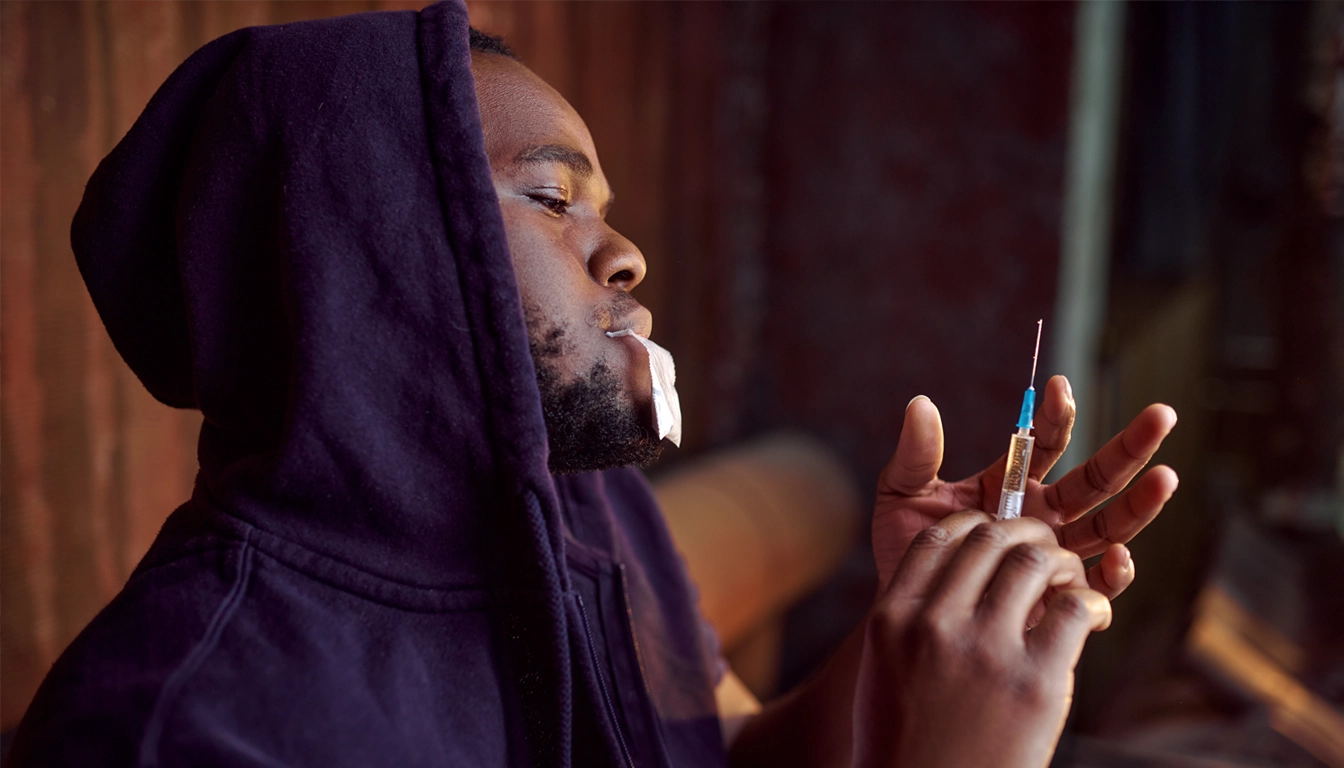
It happens in an instant. The flash of blue lights in your rearview mirror on a road in Greensboro. A police officer at your door in High Point. Suddenly, your entire world is turned upside down. You’re in handcuffs. You’re being charged with a drug crime. And you are terrified.
What does this mean for my job? My family? My future?
If you are reading this, you are in a tough spot. We get it. For decades, the team at the Huggins Law Firm has been the first call for hardworking people across North Carolina—from Burlington to Asheboro, Graham to Kernersville—who have found themselves in this exact situation. We understand the fear and the confusion. We also understand that a drug charge is not the end of your story.
An arrest is not a conviction. The police and the prosecutor have a story they want to tell. Our job is to tell your story and to fight for you. This guide is your first step. It’s here to give you clear, honest information about North Carolina’s complex drug laws and to show you that there is a path forward.
Understanding the Language: North Carolina’s Drug Schedules
The first thing you need to understand is that North Carolina, like the federal government, classifies drugs into different “Schedules.” The schedule of the drug involved in your case is the single biggest factor in how serious the charge is. The law is found in the North Carolina Controlled Substances Act (N.C. General Statute Chapter 90).
Here’s a simple breakdown:
- Schedule I: These are drugs with a high potential for abuse and no accepted medical use. Think of heroin, LSD, and ecstasy (MDMA). These carry the most severe penalties.
- Schedule II: These drugs still have a high potential for abuse but have some medical use. This includes cocaine, opium, methamphetamine, and many prescription opioids like OxyContin and Fentanyl.
- Schedule III & IV: These have a lower potential for abuse and accepted medical uses. This includes substances like anabolic steroids and prescription drugs like Xanax and Valium.
- Schedule V: These have a very low potential for abuse, like cough medicines with small amounts of codeine.
- Schedule VI: In North Carolina, this schedule is specifically for marijuana and its synthetic equivalents.
The schedule of the drug, combined with the amount you are accused of possessing, determines everything.
More Than Just a “Charge”: The Different Types of Drug Crimes

A “drug charge” isn’t a single thing. It can range from a simple ticket to a felony that carries decades in prison. Here are the main categories you need to know.
Simple Possession
This is the most common drug offense. It means you had a controlled substance for your own personal use. The penalties depend entirely on the drug schedule and the amount. While possession of some drugs is a misdemeanor, possession of even a small amount of a drug like cocaine or heroin is an automatic felony. ➡️ Learn More: [Visit our in-depth page on Simple Possession defense.]
Possession with Intent to Sell or Deliver (PWISD)
This is a major step up from simple possession. The prosecutor is accusing you not just of having drugs, but of being a dealer. To prove this, they don’t need to have caught you in the act of selling. They will use other evidence, like the amount of drugs, the presence of scales, plastic baggies, or large amounts of cash, to argue you had the intent to sell. This is always a felony. ➡️ Learn More: [Visit our in-depth page on PWISD defense.]
Drug Trafficking
This is the most serious drug offense in North Carolina. Trafficking is based on one thing and one thing only: weight. If you are caught with more than a certain amount of a drug, the law presumes you are a trafficker, even if the drugs were just for your own use. Trafficking charges carry mandatory minimum prison sentences that a judge cannot reduce. ➡️ Learn More: [Visit our in-depth page on Drug Trafficking defense.]
Possession of Drug Paraphernalia
This is a separate misdemeanor charge for possessing any item used to take, make, or sell drugs. This can be anything from a pipe or a bong to a digital scale. It is often added on to a possession charge.
The Foundation of Your Defense: How We Fight Back
When you are charged with a drug crime, it can feel hopeless. The police have their report, the lab has the evidence. But the state’s case is often not as strong as it looks. An experienced drug crime lawyer knows where to find the weaknesses. Our defense strategy is built on protecting your constitutional rights.
1. Challenge the Traffic Stop. Most drug arrests start with a traffic stop. But the police can’t pull you over for no reason. They need “reasonable suspicion.” Did they have a valid reason to stop your car? Or were they on a “fishing expedition”? If the stop was illegal, any evidence they found can be thrown out of court.
2. Attack the Search. The Fourth Amendment protects you from unreasonable searches and seizures. Did the police have a search warrant? Did you give them consent to search your car or your home? (You should never give consent!) If they conducted a search without a warrant or probable cause, the evidence they found is inadmissible. This is one of the most powerful ways to win a drug case.
3. Question the “Possession.” The prosecutor has to prove that you possessed the drugs. This seems simple, but it’s often not. What if the drugs were found in a car with three other people? What if they were found in a house where you were just a visitor? The state has to prove “constructive possession”—that you had both the intent and the capability to control the drugs. We can often create reasonable doubt about who the drugs really belonged to.
4. Challenge the Lab Report and the Weight. In a trafficking case, everything comes down to the weight. We can challenge the State Crime Lab’s findings. Was the evidence handled properly? Was the scale calibrated? We also look at issues of moisture content, which can artificially inflate the weight of marijuana. Creating doubt about the exact weight can be the difference between a trafficking charge and a simple possession charge.
Why an Experienced North Carolina Drug Crime Lawyer is Not a Luxury, But a Necessity

Facing the power of the state is intimidating. The prosecutor has the resources of the police department and the crime lab on their side. You need a team on your side that is just as prepared.
- A “Less Talked About” Stat: The scale of the system you are up against is massive. According to the NC Department of Public Safety, a significant percentage of the state’s entire prison population is incarcerated for drug offenses. This isn’t just about a few arrests; it’s a huge, powerful system. You cannot navigate it alone.
As your lawyers, we act as your guide and your shield.
- We know the local courts. After decades of practicing in the courtrooms of Greensboro, Asheboro, and Winston-Salem, we know the prosecutors, the judges, and how they handle these cases. This local knowledge is an invaluable advantage.
- We know the law. We have a deep and comprehensive understanding of North Carolina’s complex drug statutes and the latest case law on search and seizure. We use this knowledge to find the weaknesses in the state’s case.
- We are your voice. We handle all communication with the prosecutor and the court. We build your defense. We stand up for you and tell your side of the story.
Our deep experience in criminal defense is your greatest asset in this fight.
Key Takeaways for Your North Carolina Drug Crime Case
- The “Schedule” and the “Weight” are Everything: The seriousness of a drug charge depends almost entirely on the type and amount of the substance involved.
- An Arrest is Not a Conviction: The state has the burden of proving its case beyond a reasonable doubt. There are many ways to challenge their evidence.
- Your Constitutional Rights Matter: The most powerful defenses in a drug case often involve a violation of your rights during the traffic stop or the search.
- Trafficking is About Weight, Not Sales: You can be convicted of trafficking and face a mandatory prison sentence even if the drugs were for your personal use.
- You Need an Experienced Lawyer: Navigating the complex drug laws and fighting the state’s case requires a lawyer with a deep understanding of this specific area of law.