
Most people are familiar with state crimes – things handled by local police and state courts right here in North Carolina. But sometimes, a criminal investigation or charge comes from the federal government, involving agencies like the FBI, DEA, ATF, or IRS. Suddenly, you’re not dealing with the local courthouse in Greensboro, Winston-Salem, High Point, Burlington, Asheboro, Graham, or Kernersville; you’re facing the power and resources of the United States government. This can be incredibly intimidating and confusing.
What makes a crime “federal”? Why are these cases often treated differently? What kind of penalties could you be looking at? If you or a loved one is facing federal charges or is even just under investigation by federal agents, understanding the answers to these questions is absolutely critical.Here at Huggins Law Firm, our team has seen firsthand how serious federal cases are. We have years of experience defending people across North Carolina in both state and federal courts for a wide range of Criminal Law matters. We understand the unique rules, procedures, and high stakes involved when the U.S. government brings charges. This page is designed to give you a clear, straightforward overview of federal crimes in North Carolina and explain why having a lawyer experienced in the federal system is so vital from the very beginning.
What Makes a Crime “Federal” Instead of a State Crime in North Carolina?

It usually comes down to jurisdiction – basically, who has the authority to make laws and prosecute someone for breaking them. A crime becomes federal in several ways:
- Violation of Federal Law: Congress passes specific federal laws covering certain activities. Examples include:
- Drug trafficking across state lines (under the Controlled Substances Act).
- Certain firearm offenses (like possession by a felon, or illegal machine guns).
- Crimes involving the U.S. mail (mail fraud).
- Crimes using interstate communication systems like phones or the internet (wire fraud).
- Bank robbery (since most banks are federally insured).
- Tax evasion (investigated by the IRS).
- Counterfeiting money.
- Crimes related to immigration or national security.
- Crimes Crossing State Lines: If a criminal activity crosses state borders (like kidnapping someone and taking them to another state, or a fraud scheme targeting victims in multiple states), it often falls under federal jurisdiction.
- Crimes on Federal Property: Offenses committed on property owned or controlled by the federal government (like military bases, federal buildings, national parks, or some federal housing projects) are typically prosecuted in federal court.
- Crimes Affecting Interstate Commerce: The U.S. Constitution gives Congress power over commerce between states. Many federal laws are based on this, arguing that even seemingly local crimes (like certain drug offenses or organized crime activities) can impact the flow of goods and money across state lines.
Sometimes, an action can violate both state and federal law (like drug possession or bank robbery). In these cases, known as “concurrent jurisdiction,” either the state or the federal government (or sometimes both, though less common) can choose to prosecute. Often, federal authorities will take the lead on larger-scale cases or those involving specific federal interests.
Why Are Federal Investigations and Charges Often Considered More Serious?
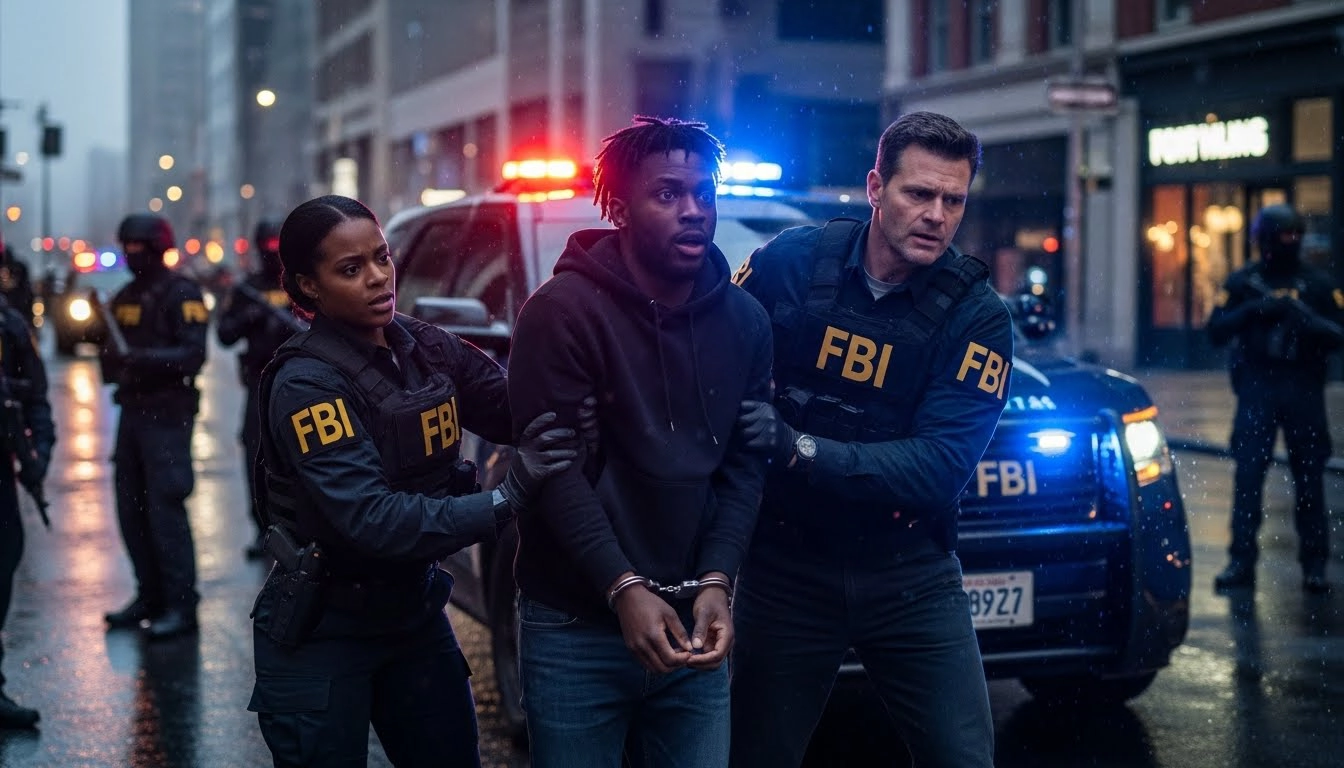
Facing federal charges is generally seen as more serious than facing similar charges in North Carolina state court. There are several reasons for this:
- Vast Resources: Federal law enforcement agencies (FBI, DEA, ATF, Secret Service, IRS Criminal Investigation, etc.) have enormous budgets, advanced technology, and large teams of agents. They often conduct very thorough, lengthy investigations before charges are ever filed, building a strong case from the start. They might use wiretaps, extensive surveillance, cooperating witnesses, and complex financial analysis.
- Experienced Federal Prosecutors: Assistant United States Attorneys (AUSAs) who prosecute federal cases are often highly experienced and focus specifically on federal law. They work closely with federal agents during the investigation phase.
- Different Court System & Rules: Federal court operates under its own set of rules (the Federal Rules of Criminal Procedure and Federal Rules of Evidence) that are different from North Carolina state court rules. Procedures for things like discovery (sharing evidence), pre-trial motions, and jury selection are distinct. You need a lawyer who knows these specific federal rules inside and out.
- Federal Sentencing Guidelines: While no longer strictly mandatory, the U.S. Sentencing Guidelines strongly influence federal sentences. These guidelines use a complex point system based on the offense level and the defendant’s criminal history, often resulting in recommendations for much longer prison terms than might be seen for similar conduct in state court. Judges must calculate and consider the guideline range. (Source: United States Sentencing Commission – USSC).
- Mandatory Minimum Sentences: Many federal laws, especially for drug trafficking and certain firearm offenses, carry mandatory minimum prison sentences. This means if convicted, the judge must impose a sentence of at least that length, regardless of mitigating circumstances (with very limited “safety valve” exceptions). These mandatory minimums drastically raise the stakes and limit judicial discretion.
- High Conviction Rates: Statistically, federal prosecutors have very high conviction rates. This is partly because they often don’t bring charges unless they believe they have a very strong case after a thorough investigation. Data from the Bureau of Justice Statistics (BJS) consistently shows that a large majority of defendants prosecuted in federal court are convicted, often through guilty pleas. This underscores the need for skilled legal negotiation early in the process.
A Less-Common Stat: Consider the investigative phase. Federal grand juries play a huge role. Unlike state grand juries in NC which often just review cases police bring, federal grand juries actively investigate, issuing subpoenas for documents and testimony before an indictment. According to the Administrative Office of the U.S. Courts, federal grand juries across the country consider tens of thousands of matters each year. (Source: U.S. Courts statistics). Being subpoenaed by a federal grand jury is a serious sign you might be a target or witness in a federal investigation, and getting a lawyer immediately is critical.Because of these factors, facing federal charges requires a defense lawyer with specific experience navigating the federal system, particularly the federal district court where your case will be heard (for Greensboro, Winston-Salem, and surrounding areas, this is typically the Middle District of North Carolina – MDNC Website).
What Kinds of Federal Crimes Does Huggins Law Firm Handle?
The scope of federal criminal law is vast. Here at Huggins Law Firm, our lawyers have experience defending clients in North Carolina against a variety of serious federal accusations. We understand the specific laws, investigative techniques, and sentencing implications involved in cases such as:
- Federal Drug Conspiracy: These charges often involve allegations of agreeing with others to violate federal drug laws (like trafficking large quantities of controlled substances across state lines). Conspiracy charges are complex and can ensnare individuals even with minor roles. Federal drug cases frequently carry harsh mandatory minimum sentences based on drug type and quantity.
- Federal Firearm Offenses: This includes charges like being a “felon in possession” of a firearm (which is illegal under federal law even if state rights are restored), possessing illegal firearms (like unregistered machine guns or short-barreled rifles), or using a firearm during a federal drug trafficking crime or crime of violence (which often triggers lengthy mandatory minimum sentences).
- Wire Fraud & Mail Fraud: These are the workhorses of federal white-collar prosecutions. They involve using interstate wires (internet, phone, electronic transfers) or the U.S. mail to carry out any scheme intended to defraud someone of money or property. The definition is very broad, covering everything from complex business fraud to simple internet scams.
- Money Laundering: This involves conducting financial transactions with money known to be the proceeds of illegal activity, either to conceal the source of the funds or to promote further criminal activity. It’s often charged alongside other federal crimes like drug trafficking or fraud.
Successfully defending against these federal charges requires a deep understanding of federal statutes, sentencing guidelines, and the procedures of the federal court system. If you believe you are under investigation or have been charged with any federal offense, contacting a lawyer experienced in federal defense is the crucial first step.
What Happens During a Federal Investigation in North Carolina?
Federal investigations often operate differently than state or local ones. They tend to be longer, more secretive, and involve powerful investigative tools. Here’s what you might encounter:
- Investigation Starts (Often Secretly): Federal agencies might begin investigating based on tips, referrals from state agencies, analysis of financial records, or undercover operations. You might not even know you’re being looked at for months or years.
- Use of Investigative Tools: Agents may use surveillance, informants, undercover buys (in drug cases), search warrants (for homes, businesses, computers, phones), or subpoenas.
- Grand Jury Subpoenas: A federal grand jury can issue subpoenas forcing individuals to testify or produce documents (like business records or emails). Receiving a grand jury subpoena is a serious matter and requires immediate legal advice. You might be a target, subject (someone whose conduct is within the scope of the investigation), or just a witness.
- Target Letters: Sometimes, the AUSA will send a “target letter” informing someone they are a target of a grand jury investigation. This is a strong signal that charges are likely imminent and an urgent call to consult a lawyer.
- Agent Interviews: Federal agents (FBI, DEA, etc.) might show up unexpectedly at your home or work wanting to “just talk.” It is almost always unwise to speak with federal agents without your lawyer present. Anything you say can be used against you, and lying to federal agents is a separate felony crime (18 U.S.C. § 1001). Politely state that you wish to speak with your attorney before answering any questions.
- Indictment: If the grand jury finds probable cause, they will issue an indictment, which is the formal document charging you with a federal crime.
- Arrest or Summons: After indictment, you will either be arrested by federal marshals or agents, or you might receive a summons to appear in federal court for your initial appearance.
Because investigations can be lengthy and secretive, the best time to hire a federal criminal defense lawyer is the moment you suspect you might be under investigation – don’t wait until charges are filed. Early intervention by a lawyer can sometimes influence the investigation or even prevent charges from being brought.
What Are the Federal Courts in North Carolina?
North Carolina is divided into three federal judicial districts, each with its own U.S. Attorney’s Office and federal courthouses:
- Eastern District of North Carolina (EDNC): Covers the eastern part of the state, with main courthouses in Raleigh, Greenville, Wilmington, and Fayetteville.
- Middle District of North Carolina (MDNC): Covers the central Piedmont region. Main courthouses are located in Greensboro, Winston-Salem, and Durham. Cases arising from Greensboro, Winston-Salem, High Point, Burlington, Graham, Asheboro, Kernersville, and surrounding areas are typically prosecuted in the MDNC. (MDNC Website).
- Western District of North Carolina (WDNC): Covers the western part of the state, with main courthouses in Charlotte, Asheville, and Statesville.
Knowing which district your case is in is important because procedures and local rules can vary slightly. You need a lawyer admitted to practice in federal court and familiar with the specific district, especially the Middle District if your case originates in the Piedmont Triad.
Why Do You Need an Experienced Federal Criminal Defense Lawyer Specifically?

While any licensed lawyer can technically represent you, defending a federal criminal case is vastly different from defending a state case. It requires specific knowledge and experience. Here’s why choosing a lawyer with federal court experience is critical:
- Different Rules: Federal court uses the Federal Rules of Criminal Procedure and Evidence, which differ significantly from North Carolina’s state rules regarding discovery, motions, deadlines, and trial practice.
- Sentencing Guidelines: Understanding the complex U.S. Sentencing Guidelines is essential for advising clients on potential outcomes, negotiating plea agreements, and arguing for the most lenient sentence possible. This is a specialized area of knowledge.
- Federal Prosecutors & Agents: AUSAs and federal agents are typically highly experienced and have extensive resources. Your lawyer needs to be able to effectively counter their strategies and tactics.
- Grand Jury Practice: Understanding how federal grand juries operate and how to respond to subpoenas is crucial during the investigative phase.
- Mandatory Minimums: Knowing which charges carry mandatory minimum sentences and identifying potential ways to avoid them (like the “safety valve” or substantial assistance) is vital.
- Local Federal Court Experience: Familiarity with the specific judges, AUSAs, and unwritten procedures within the Middle District of North Carolina (covering Greensboro, Winston-Salem, etc.) provides a significant practical advantage. Finding a lawyer “near me” who also regularly practices in the relevant federal courthouse is important.
The team at Huggins Law Firm includes lawyers with experience defending clients against serious charges in North Carolina’s federal courts. We understand the unique challenges and fight tirelessly to protect our clients facing federal prosecution.
Key Takeaways for Facing Federal Charges in North Carolina
- Federal crimes involve violations of U.S. law, crossing state lines, or occurring on federal property.
- Federal investigations are often lengthy, thorough, and conducted by well-resourced agencies (FBI, DEA, etc.).
- Federal charges generally carry harsher potential penalties than similar state charges due to Sentencing Guidelines and mandatory minimums.
- Cases in the Greensboro/Winston-Salem area are typically heard in the Middle District of North Carolina (MDNC) federal court.
- Never talk to federal agents without your lawyer present. Lying to them is a separate crime.
- Responding to a grand jury subpoena or target letter requires immediate legal advice.
- You need a lawyer with specific experience in federal court procedure, sentencing, and local practice in the MDNC.
- The stakes are extremely high; acting quickly to secure experienced federal defense is crucial.
Being targeted by a federal investigation or facing federal charges is one of the most serious legal challenges anyone can face. Your freedom, finances, and future are on the line. Don’t navigate this complex system alone. The experienced Criminal Law team at Huggins Law Firm has experience defending clients in the federal courts of North Carolina. We serve the Greensboro, Winston-Salem, High Point, and surrounding Piedmont Triad communities. Contact us immediately for a confidential consultation to discuss your federal matter.