
Getting a ticket for Driving While License Revoked, or DWLR, might seem like just another traffic hassle, but in North Carolina, it’s actually a criminal offense that can lead to surprisingly serious consequences. It’s one of the most common charges handled in district courts across the state, from Greensboro and Winston-Salem to Burlington and Asheboro. Many people don’t realize how easily a DWLR charge can stack up, leading to extended revocations, hefty fines, sky-high insurance rates, and even jail time, especially if the original revocation was for something serious like a DWI.
Maybe you didn’t even know your license was revoked? Maybe you thought the revocation period was over? Or maybe you felt you had no choice but to drive for work or family? Whatever the reason, if you’re facing a DWLR charge, it’s important to understand what you’re up against. Here at Huggins Law Firm, our team deals with Criminal Law cases, including countless DWLR charges, every day. We know the system, the potential defenses, and how to work towards getting your driving privileges restored.This page explains DWLR in North Carolina. For information on other serious driving offenses, please check out our main guide: Understanding Serious Motor Vehicle Crimes (Beyond DWI) in North Carolina.
Why Would Someone’s License Be Revoked in North Carolina Anyway?
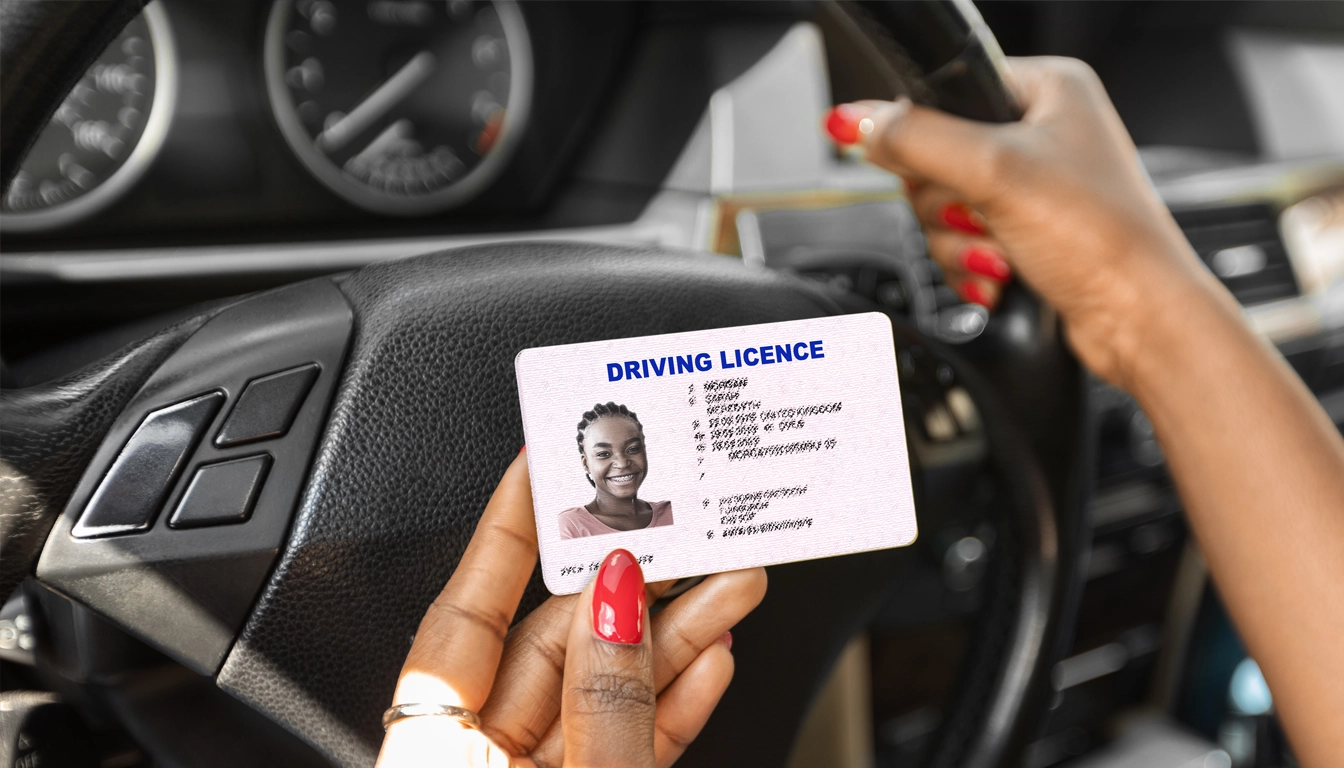
Your North Carolina driver’s license can be revoked (taken away) by the NCDMV for many different reasons. Some common ones include:
- Accumulating too many driver’s license points from speeding tickets or other moving violations.
- Conviction for Driving While Impaired (DWI).
- Refusing a chemical test (breath or blood) after a DWI arrest.
- Failure to appear in court for a traffic ticket or other charge.
- Failure to pay court fines, fees, or child support.
- Certain speeding convictions (like speeding over 15 mph above a limit of 55+ mph, or speeding to elude arrest).
- Conviction for Hit and Run.
- Insurance violations (like driving without liability insurance).
- Certain medical conditions.
The reason for your revocation is extremely important because it directly impacts how serious a DWLR charge will be if you’re caught driving.
What Are the Penalties for DWLR Under North Carolina Law (NCGS 20-28)?

The penalties for Driving While License Revoked depend heavily on the reason for the underlying revocation.
1. DWLR (NOT Impaired Revocation): If your license was revoked for reasons other than a DWI or impaired driving offense (like unpaid tickets, points, insurance issues):
- First Offense: Typically a Class 3 misdemeanor. This is the least severe misdemeanor class, but penalties can still include:
- Fines and court costs (up to $200 fine plus costs).
- Potential for a short jail sentence (usually suspended, with probation, for a first offense unless there are aggravating factors).
- An additional period of license revocation (usually one year).
- Driver’s license points added to your record.
- Significant increases in your car insurance rates.
- Subsequent Offenses: Can be charged as a more serious Class 1 misdemeanor, increasing the likelihood of active jail time and higher fines.
2. DWLR Impaired Revocation: If your license was revoked because of a DWI conviction or another impaired driving offense (like habitual DWI):
- This is automatically a Class 1 misdemeanor, even for a first offense. Penalties are much harsher:
- Higher potential fines (court’s discretion).
- Increased likelihood of active jail time (up to 120 days depending on prior record).
- An additional, lengthy license revocation (often one year, two years, or even permanent depending on the circumstances).
- Vehicle Seizure: Law enforcement is required to seize the vehicle you were driving if caught driving while revoked for an impaired driving offense, even if the car isn’t yours! Getting it back is a costly and complicated process.
- Extreme difficulty and expense in obtaining car insurance (SR-22 likely required).
3. Habitual DWLR: In some cases, repeated DWLR convictions, especially if related to impaired driving revocations, can potentially lead to felony charges.
A Little-Known Consequence – The Insurance Nightmare: Many people focus on the court fines or potential jail time, but the insurance impact of a DWLR conviction (especially impaired revocation) is often the most painful long-term consequence. North Carolina uses an insurance points system (SDIP). A DWLR conviction adds 8 insurance points, while a DWLR Impaired Revocation adds 12 points (the maximum). This typically results in your insurance premiums increasing by hundreds or even thousands of dollars per year for three years. ([Source: General info on NC SDIP points available via NC Dept. of Insurance or insurance company resources, though specific rate impacts vary]). Finding any company willing to insure you might even become difficult. This cost alone makes fighting a DWLR charge essential.
Can I Be Convicted of DWLR If I Didn’t Know My License Was Revoked?
This is one of the most frustrating situations for many drivers. Often, people are charged with DWLR because of an old, unpaid ticket or a missed court date they forgot about, and they never received the revocation notice from the NCDMV.
Unfortunately, under North Carolina law, lack of knowledge that your license was revoked is generally NOT a legal defense to the charge itself. The NCDMV is usually only required to mail the revocation notice to the last address they have on file for you. If you moved and didn’t update your address with the DMV, or the notice got lost in the mail, the law often still considers you to have been properly notified.
However, while it might not be a complete defense to guilt, proving you genuinely didn’t know about the revocation (and showing you took immediate steps to fix the underlying issue once you found out) can be a very powerful mitigating factor. An experienced lawyer can use this to negotiate with the prosecutor, potentially for:
- A reduction to a less serious charge like No Operator’s License (NOL – NCGS § 20-7), which is an infraction or misdemeanor with less severe license and insurance consequences.
- A Prayer for Judgment Continued (PJC) in some limited circumstances (though using a PJC for DWLR has specific insurance implications).
- A more lenient sentence if conviction is unavoidable.
This is why just paying off a DWLR ticket without talking to a lawyer is often a huge mistake. You might be pleading guilty to a crime you could have potentially gotten reduced or handled differently, saving yourself years of high insurance costs and extended license revocation.
How Can a Lawyer Help Fight a DWLR Charge in Greensboro, Winston-Salem, or NC?

Even though DWLR seems straightforward, there are often effective ways an experienced North Carolina lawyer can help. Our goal is always to achieve the best possible outcome, which ideally means avoiding a conviction for DWLR altogether. Strategies include:
- Investigating the Underlying Revocation: Was the original reason for your license revocation even valid? Were you properly notified according to DMV procedures? Were there errors in the court records that led to the revocation? If the revocation itself was improper, the DWLR charge might be dismissed.
- Challenging the Traffic Stop: Just like in a DWI case, the officer needed a valid reason (reasonable suspicion) to pull you over in the first place. If the stop was illegal, any evidence found afterward (like the fact your license was revoked) could be suppressed.
- Negotiating with the Prosecutor: This is often the most effective approach. Your lawyer can present mitigating evidence (like lack of knowledge, immediate steps taken to clear the revocation, safe driving record otherwise) and negotiate for a reduction to NOL or another lesser offense. Having proof that you’ve obtained a valid license (or are eligible to) before your court date is extremely helpful in these negotiations.
- Seeking a Prayer for Judgment Continued (PJC): In some limited cases, a judge might grant a PJC, which means no conviction is entered, avoiding points and immediate penalties. However, PJCs have specific rules and limits in North Carolina, and using one for DWLR might still impact your insurance. Your lawyer can advise if this is a viable or wise option.
- Addressing Habitual Offender Issues: If you have multiple prior DWLRs, especially related to DWI, you could face very serious consequences. A lawyer is essential to navigate these complex sentencing rules and fight against potential felony charges or mandatory jail time.
A lawyer familiar with the local prosecutors and judges in Guilford, Forsyth, Alamance, or Randolph counties often has a better understanding of how these cases are typically resolved and can work towards the most favorable disposition “near me.” The Huggins Law Firm team handles DWLR cases routinely in these courts.
Key Takeaways for North Carolina DWLR Charges
- DWLR is a criminal offense in NC, not just a traffic ticket.
- Penalties depend heavily on the reason for the original revocation.
- DWLR Impaired Revocation (after DWI) is much more serious (Class 1 Misdemeanor, mandatory vehicle seizure).
- Lack of knowledge is not a legal defense, but can be used in mitigation/negotiation.
- Convictions lead to extended revocations, huge insurance increases (8-12 points!), fines, and potential jail time.
- An experienced lawyer can often negotiate for reduced charges (like NOL) or dismissals, especially if the underlying revocation is cleared.
- Do not just pay the ticket! Consult a lawyer to explore your options.
A Driving While License Revoked charge can create a cycle of increasing penalties and longer revocations. Don’t let it derail your life. The experienced Criminal Law team at Huggins Law Firm knows how to handle DWLR cases effectively in Greensboro, Winston-Salem, and across the Piedmont Triad. Contact us today for a confidential consultation to see how we can help protect your license and your future.