
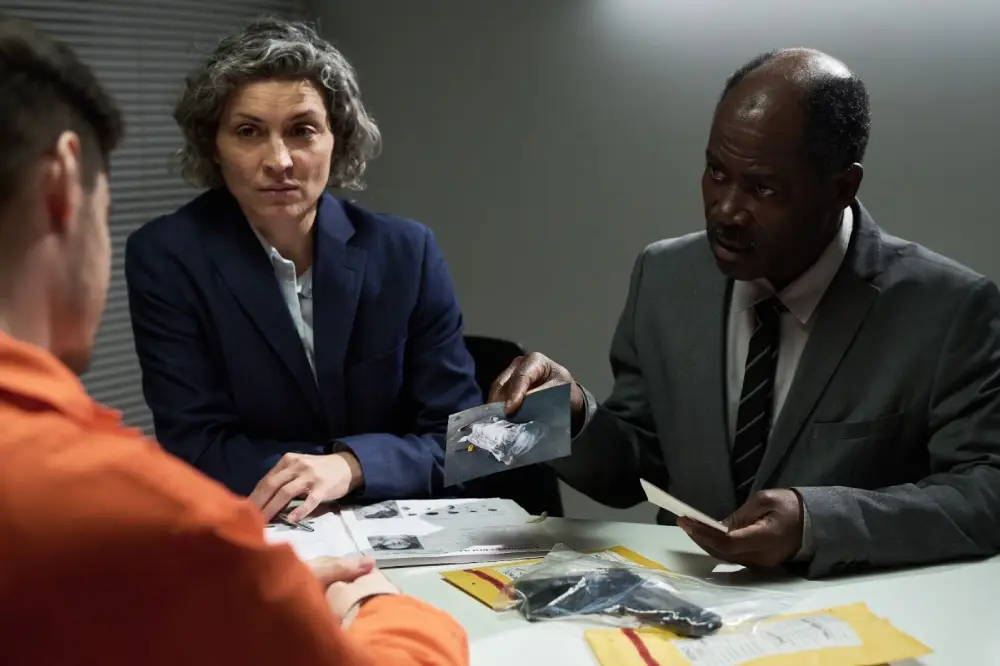
Introduction
Facing a DWI or DUI charge in North Carolina—especially in the Greensboro area—can feel overwhelming. The consequences of a drunk driving arrest go far beyond a night in jail. You could lose your driver’s license, face steep fines, and even risk your job or family life. This guide is for anyone facing DWI/DUI charges or seeking to understand North Carolina’s implied consent law. We explain what implied consent means, how it affects your rights, and what to expect if you refuse a chemical test in North Carolina. North Carolina’s Implied Consent Law is central to every DWI or DUI case in the state, and understanding it is crucial to protecting your future.
At Kreider Attorneys, we know that every DWI case is different. The circumstances of your arrest, the evidence collected, and your personal background all play a role in how your case unfolds. Our experienced DWI defense attorneys are committed to providing a strong defense tailored to your unique situation. We take the time to listen to your story, review every detail, and build a strategy designed to protect your future.
If you’ve been charged with drunk driving in Greensboro or anywhere in North Carolina, don’t face the system alone. The right attorney can make all the difference—whether it’s challenging the evidence, negotiating for reduced penalties, or fighting for your rights at trial. Kreider Attorneys offers free initial consultations, so you can get answers and start building your defense without delay. Your life, license, and reputation are too important to leave to chance.
Summary: What Is North Carolina’s Implied Consent Law?
North Carolina’s implied consent law means that by driving in the state, you agree to chemical testing for impairing substances. Refusing a chemical test results in a one-year license revocation, even if you are not convicted of DWI. This law applies to all drivers, including those from other states.
What is Implied Consent in NC?
North Carolina’s implied consent law means that any person who drives a vehicle in the state is considered to have agreed to chemical testing for impairing substances. This applies to all drivers, including those licensed in other states. If you refuse a chemical test, your license will be revoked for one year.
Definition: Implied consent means that by driving a vehicle in North Carolina, you are legally considered to have agreed to chemical testing for impairing substances if charged with an implied-consent offense. This applies to all drivers, including those from other states.
If you just got pulled over in Greensboro or High Point, you might have heard a police officer talk about “Implied Consent.” It sounds like a big, scary legal word, and honestly, it is. Most people feel like the whole world is against them when they see those blue lights. You might be wondering, “Do I have to blow into that machine?” or “Will I lose my license forever if I say no?”
Under North Carolina law, any person who operates a vehicle in the state is deemed to have given implied consent to chemical testing, meaning you have certain legal obligations and potential consequences if you refuse.
My name is Attorney Micah Huggins, and I want you to know that you don’t have to walk this path alone. At Huggins Law Firm, P.C., we have been standing up for people just like you for over ten years. We have won awards and helped hundreds of folks get their lives back on track. We believe in “Justice with Integrity” and “Representation with Heart.” When the system feels like a giant machine trying to crush you, we are the champion in your corner.
Key Takeaways: What You Need to Know Right Now
- You already said “Yes”: By just having a driver’s license in North Carolina, the law says you already agreed to a breath or blood test if a cop thinks you are impaired (N.C.G.S. § 20-16.2).
- The “48-Hour” Rule is gone, but the “30-Day” one is real: If you blow a 0.08 or higher, or if you refuse to blow, your license is taken away immediately for 30 days (NC Judicial Branch).
- Refusing costs you a year: If you “willfully refuse” to take the big breath test at the station, you lose your license for 12 months, even if you win your court case later.
- Guilford County is busy: Greensboro and High Point police are very active. In fact, Guilford County often ranks in the top 3 in the state for DWI arrests and alcohol-related crashes (NCDOT 2025 Data).
- You have a right to a witness: You usually have 30 minutes to get a witness or a lawyer to the station to watch your test.
Understanding implied consent is just the beginning—next, let’s look at what happens if you are pulled over for a DWI in Greensboro, NC.
Introduction to Drunk Driving Defense
A DUI (which we call a DWI in North Carolina) is serious, but it is not the end of the road. In North Carolina, “Implied Consent” means that driving is a privilege, not a right. When you drive on roads in Kernersville, Asheboro, or Winston-Salem, you are making a deal with the state. The deal is: “I get to drive, but if a cop has a good reason to think I’m drunk, I’ll take the test.” Refusing or failing a chemical test is considered an implied consent offense in North Carolina, which can result in license revocation and other penalties.
If you see those lights in your rearview mirror near West Wendover Avenue or Elm-Eugene Street, stay calm. These are “hot zones” for arrests in Greensboro (HPPD 2025 Traffic Safety Report).
Any violation of proper police procedures during a DWI stop, such as failing to follow required protocols, can be challenged in court and may affect the outcome of your case.
The Roadside vs. The Station
A lot of people get confused about the two different breath tests:
- The Alco-Sensor (Roadside): This is the small hand-held device. You can legally say no to this one without losing your license automatically. The results of this test usually can’t be used to prove you were drunk in court—only to give the cop a reason to arrest you.
- The Intox EC/IR II (The Station): This is the big machine at the jail or police station. This is the “Implied Consent” test. If you say no to this one, the DMV will take your license for a full year.
North Carolina’s implied consent law applies to anyone operating a vehicle in a public vehicular area, not just on public roads. This means that if you are driving in any public vehicular area (PVA), you are presumed to have given implied consent to chemical analysis under state law.
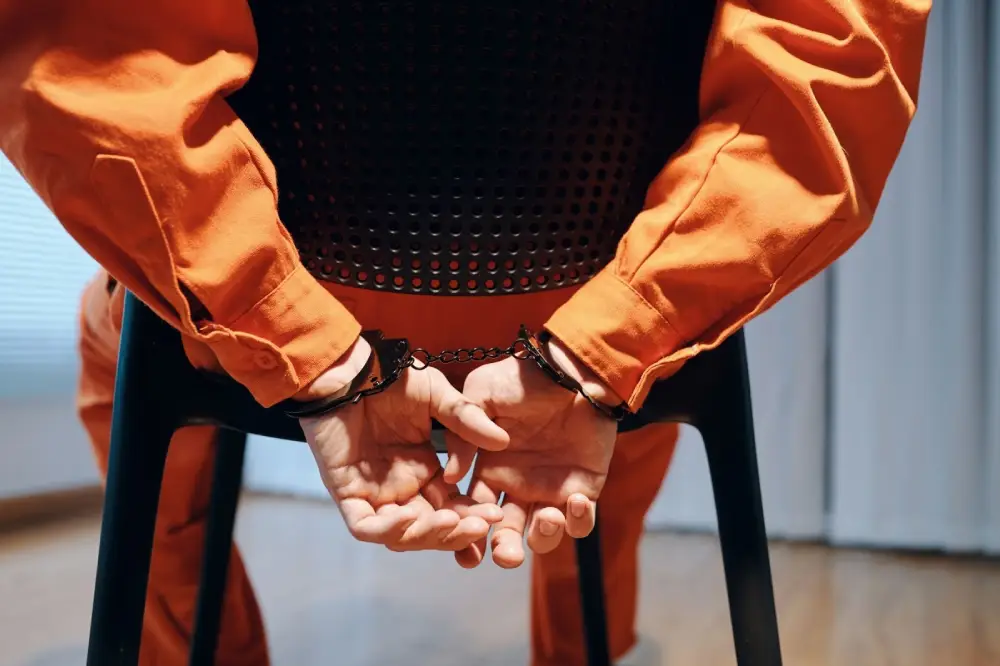
In 2024 and 2025, about 13% of people arrested for DWI in our area refused the test (NC Sentencing Commission 2026 Report). While they didn’t give the state “breath data,” they lost their ability to drive to work the very next morning.
Now that you know what to expect during a DWI stop, let’s explore how chemical analysis and testing play a role in your case.
Chemical Analysis and Motor Vehicles
When you’re stopped for suspected DWI in North Carolina, chemical analysis becomes a central part of your case. Under the state’s implied consent law, drivers are required to submit to chemical tests—such as breath, blood, or urine analysis—if a law enforcement officer has probable cause to believe you’re impaired. These tests are used to determine your alcohol concentration or the presence of other substances in your system.
Types of Chemical Tests
- Breath Test: Usually performed at the police station using the Intox EC/IR II machine.
- Blood Test: May be taken at a hospital, especially if drug impairment is suspected or if you are unable to provide a breath sample.
- Urine Test: Less common, but sometimes used for suspected drug impairment.
Consequences of Refusal
The results of a chemical analysis can have a major impact on your DWI case. A breath test at the station (not the roadside) or a blood sample taken at a hospital can be used as evidence in court to support a DWI conviction. Refusing to submit to these tests is considered a willful refusal and can lead to an automatic one-year revocation of your driver’s license, regardless of the outcome of your criminal case. In some situations, if you refuse, the charging officer may obtain a warrant from a district court judge to draw your blood for testing.
DMV Hearings and Appeals
- Procedural Requirements: The procedures for chemical analysis must be followed precisely. If the equipment isn’t properly calibrated, or if the officer doesn’t follow the correct steps, your attorney may be able to challenge the results.
- Substance Abuse Assessment: If you are convicted or refuse testing, you may be required to complete a substance abuse assessment before your driving privileges can be restored.
- DMV Hearings: You have the right to request a hearing to challenge a license revocation. If you disagree with the outcome, you can appeal the decision to superior court.
Navigating the legal issues surrounding chemical analysis, DMV hearings, and the impact on your motor vehicle record requires the guidance of a skilled DWI defense attorney. Whether you’re in Greensboro, High Point, or elsewhere in the Triad, having a lawyer who understands the complexities of implied consent offenses and chemical testing procedures can make a significant difference in the outcome of your case.
Next, let’s see how the Guilford County court system handles DWI arrests and what you can expect if you are charged.
How does the Guilford County court system handle DWI arrests?
High Point and Greensboro have their own courthouses. If you get arrested in High Point, you go to the courthouse on East Green Drive. If it happens in Greensboro, you head to the one on West Market Street.
DWI charges in Guilford County are handled according to specific legal procedures, and evidence from chemical tests or refusals can significantly influence the outcome of these charges.
The Reality of the Jail and Bail System
- The 30-Day Civil Revocation: Your license is taken at the jail. After 10 days, we can often help you get a “Limited Driving Privilege” so you can go to work or school. Your driver’s license can also be revoked if you refuse a chemical test or are convicted of DWI. There are procedures to challenge or seek reinstatement of a revoked license.
- Bail Bonds: If you need a bond, remember that in NC, a bondsman can only charge you between 10% and 15% of the total bond amount. If they ask for more, they are breaking the law (NC Department of Insurance).
Stats Nobody Talks About: Why High Point is Unique
Most lawyers just talk about the law, but we look at the data. High Point uses a “Focused Deterrence” model. This means they track people very closely.
- Checkpoint Tech: In 2026, police are using better tech at checkpoints near Main Street and Eastchester Drive. They have to follow a strict “written plan.” If they didn’t stop every car (or a set pattern like every 3rd car), the whole stop might be illegal (State v. White, 2026 NC Court of Appeals Update).
- Conviction Rates: Around 92% of DWI cases in NC end in a guilty plea (NC Sentencing Commission). Why? Because many people go in without a champion. We fight to be part of that small percentage that gets a better outcome.
- The “Look-Back” Period: NC has a 10-year look-back. If you had a DWI 9 years ago, this new one is treated much more harshly.
- Drivers from Other States: Even if you are licensed in another state, you are still subject to North Carolina’s implied consent laws when operating a vehicle within the state.
Now that you know how the courts handle DWI cases, let’s discuss why choosing the right attorney can make all the difference.
Why Choose Huggins Law Firm, P.C.?
Micah Huggins didn’t build this firm to just be another office. He built it to provide “Justice with Integrity.” Whether you are facing a Criminal Case, a Family Law Matter, or need help with Estate Planning, we bring the same level of heart.
We don’t just “show up.” We look for the errors:
- Precision: Did the officer observe you for 15 full minutes before the breath test? If not, the test might be tossed out.
- Strategy: Was there “Probable Cause” to arrest you? Just having the odor of alcohol isn’t always enough.
- Purpose: We want to restore your stability.
With the right legal team, you can challenge the evidence and protect your rights. Next, let’s answer the most common questions about implied consent in North Carolina.
10 Common Questions About Implied Consent in North Carolina
Most Common Questions
Legal Process & Rights
- Can I call a lawyer before I blow?
Yes! You have 30 minutes to get a lawyer or witness to the station. We tell our clients to call us immediately. - What happens if I refuse the breathalyzer?
The DMV will revoke your license for 12 months. Also, the prosecutor can tell the jury you refused, which they might think means you were guilty. You will receive formal notice of your license revocation and your right to request a hearing. - Can the police force me to give blood?
If you refuse the breath test, the police can call a judge and get a search warrant for your blood. In 2026, they can get these warrants on their phones in minutes.
License Consequences
- Can I get a “Hardship License” if I refuse?
If you refuse the test, you usually have to wait 6 months before you can even ask for a limited driving privilege. You may also need to show you have successfully completed any required substance abuse assessments or other conditions before your driving privileges can be reinstated. - What is the difference between DUI and DWI in North Carolina?
Both DUI (Driving Under the Influence) and DWI (Driving While Impaired) refer to impaired driving offenses. In North Carolina, the law uses the term DWI, but DUI and DWI are often used interchangeably when discussing these cases.
Additional/Advanced Questions
Testing Procedures
- Does “Implied Consent” apply to drugs?
Yes. If they think you are on drugs, they will ask for a blood or urine test. Refusing carries the same 12-month penalty. - What if the machine was broken?
These machines must be calibrated and checked. If the records show the machine wasn’t working right, we can fight to have the results removed from your case. - Do I have to do the “Walk and Turn” test?
No. Standardized Field Sobriety Tests (like standing on one leg) are voluntary. You can say no, though the officer will likely still arrest you if they smell alcohol.
DMV Hearings and Appeals
- Who decides if I get my license back after a refusal?
A hearing officer at the DMV conducts an administrative hearing to review your case. The hearing officer evaluates evidence and determines whether your license revocation should be upheld or rescinded. - Can I appeal a license revocation decision?
Yes, if you disagree with the outcome of a DMV hearing, you have the right to appeal the decision to superior court for further review.
With these answers in mind, you’re better prepared to navigate the legal process. Let’s wrap up with your next steps.
Conclusion and Next Steps
A DWI arrest in Greensboro or High Point doesn’t have to define your future. The legal system is complex, but with the right defense and support, you can protect your rights, your license, and your life. Whether you’re facing a first-time DWI charge, dealing with a willful refusal, or worried about the consequences of a DUI conviction, it’s essential to act quickly and seek experienced legal help.
At Huggins Law Firm and Kreider Attorneys, we are committed to standing by your side every step of the way. From challenging the evidence to representing you at DMV hearings and in court, our attorneys fight to secure the best possible outcome for your case. Don’t wait—every moment counts when your driving privileges and reputation are on the line.
If you or a loved one has been charged with a DWI or DUI in North Carolina, contact a trusted DWI defense attorney in the Greensboro area today. Schedule your free consultation, get your questions answered, and take the first step toward putting this legal issue behind you. Your future is worth fighting for—let us help you stand strong and move forward.