
The Phone Call That Changes Everything
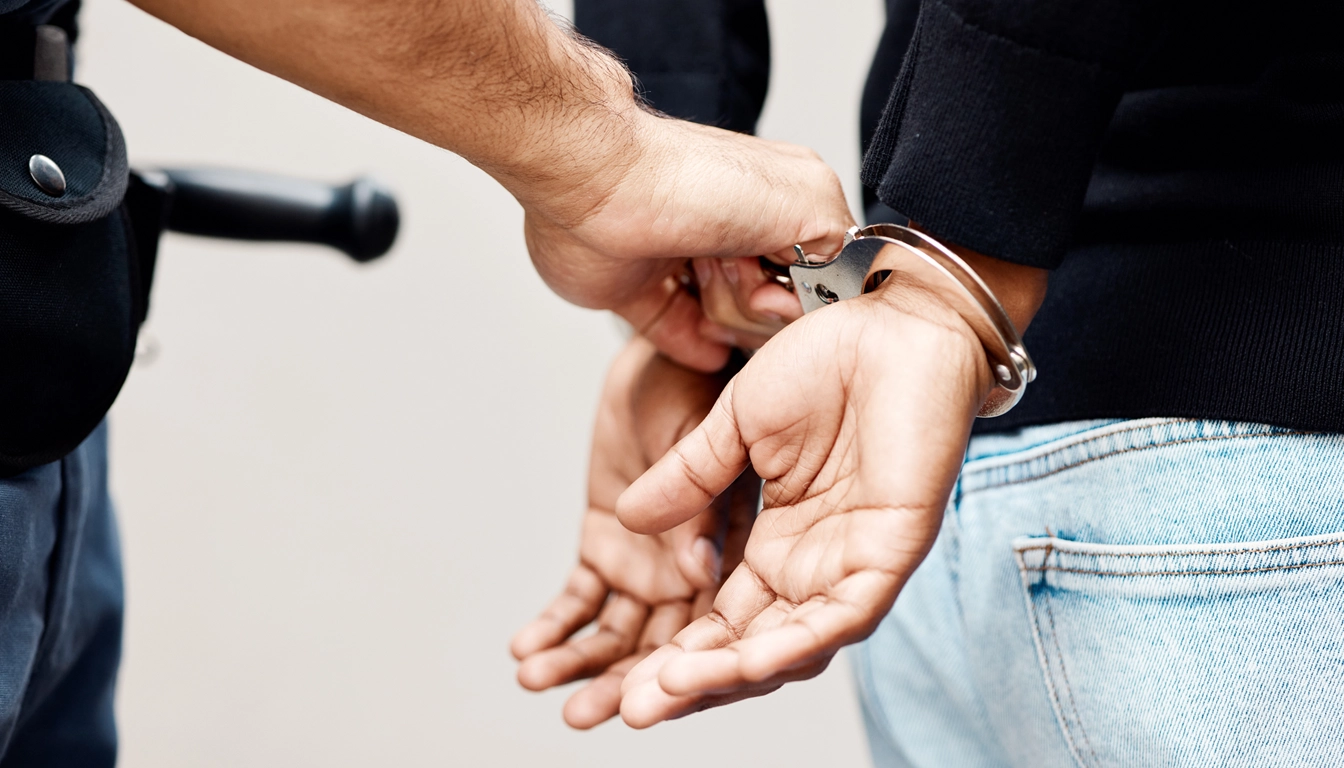
Your heart drops. Your probation officer is on the line, and the words you’ve been dreading are spoken: “You’ve violated your probation. There’s a warrant for your arrest.”
Or maybe it’s a letter in the mail. Or a knock on the door. In that one moment, the sense of relief you felt when you were first sentenced to probation evaporates. The fear and uncertainty of your original criminal charge come rushing back, but this time, it feels even worse. You were given a chance, and now you’re terrified it’s about to be taken away.
If you are reading this, you are in a very dangerous legal situation. But you are not out of options. For decades, the team at the Huggins Law Firm has been defending people across the Piedmont Triad—from Greensboro to Graham, Winston-Salem to Burlington—who are facing a probation violation. We understand the panic you are feeling. More importantly, we understand the unique rules of a probation hearing and how to fight to keep you out of jail. This guide is here to explain the process, the stakes, and what you need to do right now to protect your freedom.
The “Sword of Damocles”: Understanding Your Suspended Sentence
To understand why a probation violation is so serious, you first need to understand what “probation” really is in North Carolina.
When you were originally sentenced, the judge likely gave you a “suspended sentence.” Think of it this way: the judge sentenced you to a period of active jail or prison time, but then “suspended” that sentence, or held it over your head, on the condition that you follow a strict set of rules. This is your probation.
That suspended sentence is like the mythical “Sword of Damocles,” hanging over your head by a single thread. As long as you follow the rules of probation, you remain free. But if you violate even one of those rules, the prosecutor can ask the judge to cut that thread and activate your original prison sentence, sending you to serve the time you initially avoided.
This is why a probation violation is so dangerous. You are no longer fighting about whether you are guilty of the original crime. You were already found guilty. Now, you are fighting to keep the freedom the judge granted you.
The Two Types of Probation Violations in North Carolina
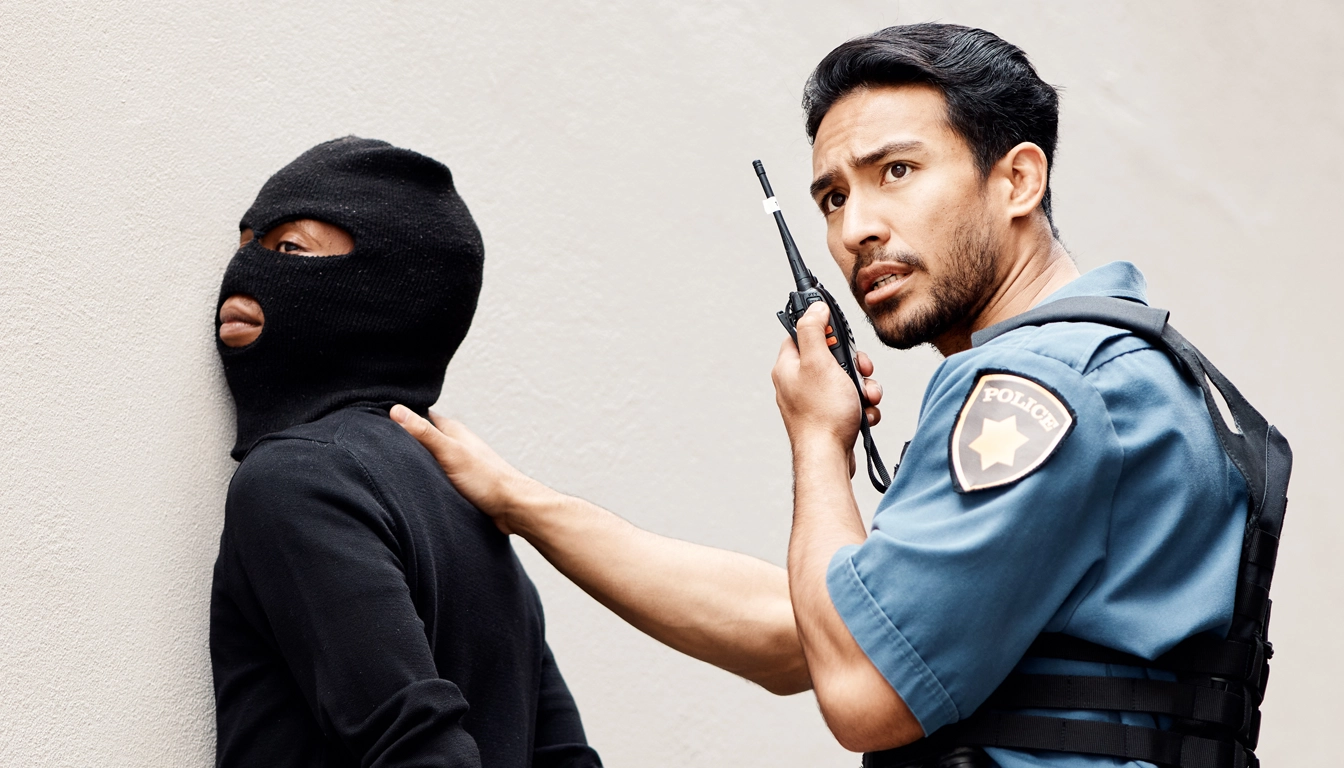
In North Carolina, a probation violation generally falls into one of two categories.
1. Technical Violations (The Most Common)
A technical violation is a failure to follow the specific rules of your probation. You haven’t been charged with a new crime, but you have broken one of the conditions of your supervision.
Common technical violations include:
- Missing an appointment with your probation officer.
- Failing a drug or alcohol test.
- Failing to pay your court costs, fines, or restitution.
- Failing to complete your community service hours.
- Leaving the state without permission.
- Not maintaining employment or attending school as ordered.
- A “Less Talked About” Stat: Many people believe you only go to prison for a probation violation if you commit a major new crime. The data tells a different story. According to statistical reports from the NC Department of Public Safety (NCDPS), a very large percentage of all prison admissions in North Carolina are the result of probation or parole revocations. A huge number of these are for technical violations, not new criminal convictions. It’s a stark reminder that even a “minor” slip-up can have devastating consequences.
2. New Criminal Offense Violations (The Most Serious)
This is the most serious type of violation. It means you have been arrested and charged with a new crime while on probation.
- It doesn’t matter how minor the new charge is. Even a simple charge for shoplifting, possession of marijuana, or Driving While License Revoked (DWLR) is a violation of your probation.
- You don’t have to be convicted of the new charge. Just the act of being arrested and charged with a new crime is enough for your probation officer to file a violation report against you.
If you are accused of a new criminal offense, you are now fighting a battle on two fronts: you have to defend yourself against the new charge, and you have to fight to stop the state from revoking your probation on the old one.
The Probation Violation Process: From a Report to a Hearing
The process for a probation violation moves quickly and has a different set of rules than a regular criminal trial.
Step 1: The Violation Report It begins when your probation officer files a “violation report” with the court, detailing how they believe you have violated the terms of your supervision.
Step 2: The Order for Arrest Once the report is filed, a judge will almost always sign an Order for Arrest. This means there is a warrant out for you. You can be picked up at your home, your job, or during a routine traffic stop.
Step 3: The Bond Hearing After you are arrested, you will be brought before a judge. Unlike a new criminal charge, you are not automatically entitled to a bond in a probation violation case. The judge can choose to hold you in jail until your full hearing. Having an experienced lawyer argue for a reasonable bond at this first appearance is critical.
Step 4: The Probation Violation Hearing This is the main event. It is a formal hearing in front of a judge, but it is very different from a jury trial.
- There is no jury. The judge alone hears the evidence and makes the decision.
- The burden of proof is much lower. In a criminal trial, the state must prove you are guilty “beyond a reasonable doubt.” In a probation hearing, the prosecutor only has to prove the violation by a “greater weight of the evidence.” This is a much easier standard to meet. It means they just have to show it’s more likely than not that you violated.
- The rules of evidence are more relaxed. Hearsay and other evidence that might not be allowed in a trial can often be considered by the judge.
This is a system that is heavily tilted in favor of the prosecutor. You need a lawyer who understands these unique rules and knows how to fight back.
The Judge’s Three Choices: The Possible Punishments for a Violation
At the end of the hearing, if the judge finds that you have willfully violated your probation, they have three main choices.
- Continue Your Probation: This is the best possible outcome. The judge can choose to give you another chance, “reinstating” your probation on the same or slightly modified terms.
- Modify Your Probation (Including a “CRV”): The judge can modify the terms of your probation. For many technical violations, the judge can order a “Confinement in Response to Violation” (CRV), also known as a “dunk.” This is a short, 90-day period of confinement in the county jail. A CRV is a serious punishment, but it is often better than a full revocation.
- Revoke Your Probation: This is the worst-case scenario. If the judge revokes your probation, they “activate” your original suspended sentence. This means you will be sent to prison to serve that time. For a new criminal offense violation, or for certain other violations like absconding, the judge is required by law to revoke your probation.
How an Experienced Probation Violation Lawyer Can Protect Your Freedom
When you are facing a probation violation, your freedom is on the line. An experienced probation violation lawyer knows that the goal is to give the judge a reason not to revoke your probation. Our approach is strategic and proactive.
- We Fight for a Reasonable Bond. Our first goal is to get you out of jail so you can get back to your job and family while we prepare your case.
- We Challenge the State’s Evidence. Was the drug test administered correctly? Is the probation officer’s report accurate? We hold the state to its burden of proof, even if it is a lower standard. We know the rules and the law, including the specifics of the Justice Reinvestment Act, which governs how violations are handled, as detailed in resources from the UNC School of Government.
- We Present Mitigating Evidence. This is the most important part of our job. We don’t just defend you; we present you as a whole person. Did you lose your job and that’s why you couldn’t pay your fines? Have you enrolled in a treatment program? Are you supporting your family? We give the judge a reason to give you another chance. We show them that you are more than just the violation report.
- We Negotiate with the Prosecutor. We can often work with the District Attorney before the hearing to agree on a fair resolution, like a CRV instead of a full revocation.
Our deep experience in criminal defense means we understand how to navigate this unique and dangerous part of the justice system.
Key Takeaways for Your North Carolina Probation Violation
- A Probation Violation is a Direct Threat to Your Freedom: If your probation is revoked, the judge can activate your original suspended prison sentence.
- There are Two Types of Violations: “Technical violations” (breaking a rule) and “new criminal offense” violations (getting arrested for a new crime).
- The Hearing is Different from a Trial: There is no jury, and the burden of proof is much lower for the prosecutor, making it easier for them to win.
- The Judge Has Options: The judge can continue your probation, give you a short “dunk” in jail (a CRV), or revoke your probation and send you to prison.
- You Need an Experienced Lawyer Immediately: An experienced lawyer can fight for your release on bond, challenge the state’s evidence, and present the mitigating factors needed to convince a judge to give you another chance.