
Car accidents are stressful and scary. In the confusion and panic after a crash, especially if someone might be hurt, the instinct to drive away can be strong. But in North Carolina, leaving the scene of an accident where someone has been injured or killed is a serious crime known as Felony Hit and Run. It carries severe penalties that can change your life forever.
Whether the accident happened in Greensboro, Winston-Salem, Burlington, High Point, or on any road in North Carolina, the law requires you to stop, provide information, and help anyone who might be injured. Failing to do so can lead to felony charges, prison time, and the permanent loss of your driver’s license.
If you are under investigation or have been charged with hit and run involving an injury, you need to understand your legal duties and rights immediately. Here at Huggins Law Firm, our team has helped many people facing serious Criminal Law charges stemming from traffic accidents. We know these situations are often complex and frightening, and we’re here to provide clear guidance and a strong defense.This page explains Felony Hit and Run in North Carolina. For details on other serious driving crimes, please see our main guide: Understanding Serious Motor Vehicle Crimes (Beyond DWI) in North Carolina.
What Does North Carolina Law Require You to Do After an Accident?

North Carolina law (General Statute § 20-166) is very clear about a driver’s responsibilities after being involved in any crash resulting in injury, death, or apparent property damage. You MUST:
- Immediately Stop: Stop your vehicle as close to the scene as possible without unnecessarily blocking traffic. It is illegal to drive away.
- Remain at the Scene: Stay there until you have completed all the required steps.
- Provide Information: Give your name, address, driver’s license number, and vehicle registration number to:
- The driver or occupants of any vehicle involved.
- Any person injured in the crash.
- You must also show your driver’s license upon request.
- Render Reasonable Assistance (“Render Aid”): This is crucial in injury accidents. You have a duty to provide reasonable help to anyone injured. This includes:
- Calling 911 or ensuring medical help is summoned.
- Transporting or making arrangements to transport the injured person to a hospital if it’s necessary or if they request it.
Failure to fulfill any of these duties after an accident involving injury or death can lead to criminal charges.
When Does Leaving the Scene Become a Felony Hit and Run?
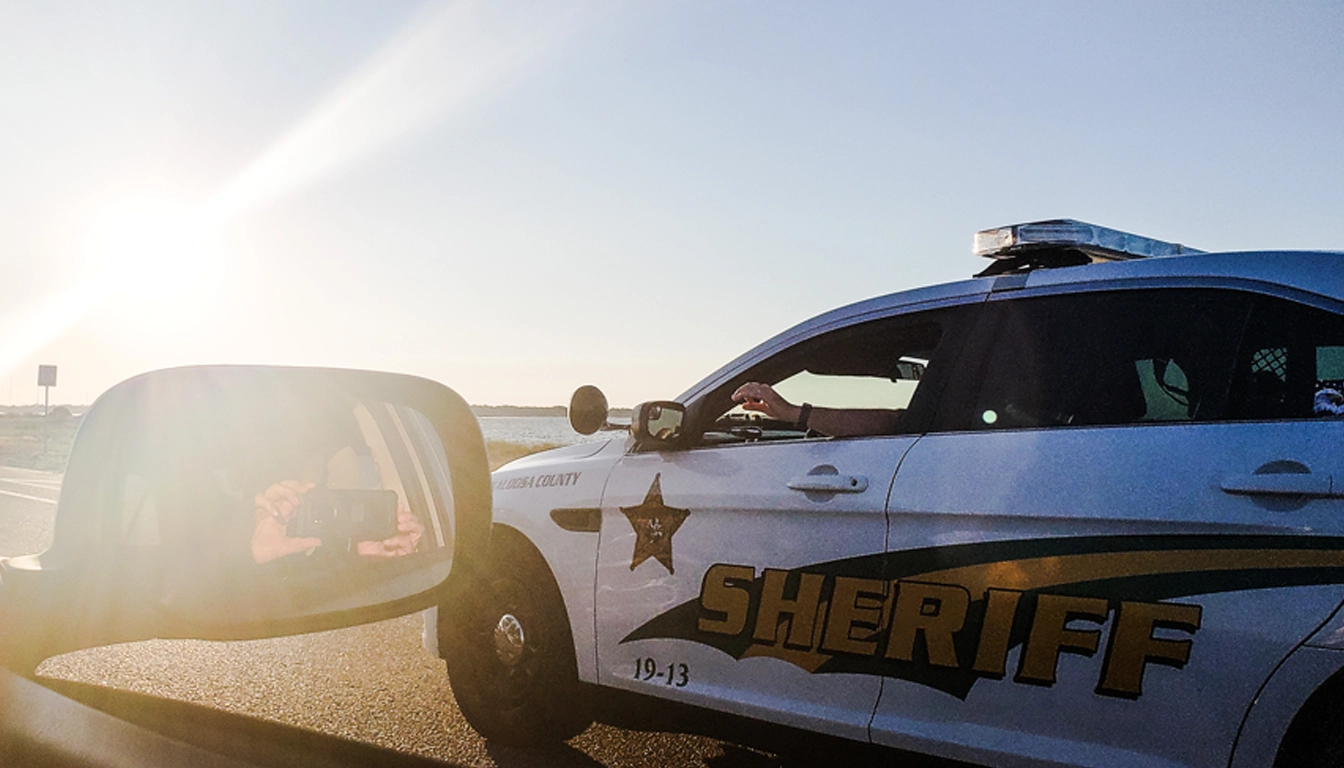
The difference between a misdemeanor and a felony hit and run charge hinges entirely on whether someone was injured or killed.
- Property Damage Only: If the accident only involved damage to a vehicle or other property (and no injuries), failing to stop or leave information is typically a Class 1 misdemeanor under NCGS § 20-166(b) or (c). Still serious, but not a felony.
- ANY Injury or Death: If the accident resulted in any injury (even seemingly minor) or death to any person, and you failed to fulfill the duties listed above (stop, give info, render aid), it becomes a felony under NCGS § 20-166(a).
- Serious Bodily Injury or Death: If the accident resulted in “serious bodily injury” (defined as injury creating substantial risk of death, serious permanent disfigurement, coma, or permanent loss/impairment of a body part/organ) or death, the hit and run is a Class F felony.
- Injury (Less than Serious): If the accident resulted in injury that does not meet the definition of “serious bodily injury,” the hit and run is typically a Class H felony.
The Critical Element: Knowledge For a felony conviction, the state generally must prove that you knew or reasonably should have known that the accident resulted in injury or death. This can be a key point of defense. Did you realize you hit a person? Was the impact significant enough that you should have known someone could be hurt? If you genuinely and reasonably did not know an injury occurred, you might not be guilty of the felony offense (though other charges might apply).
Why Are the Penalties for Felony Hit and Run So Severe?

Leaving the scene when someone is hurt is treated harshly for several important reasons:
- Moral Duty to Help: Society expects people to help others in need, especially when they are involved in causing potential harm. Leaving an injured person without rendering aid is seen as a serious moral failing.
- Preventing Further Harm: Prompt medical attention can be the difference between life and death or between minor and permanent injuries. Leaving the scene delays that critical help.
- Accountability: Stopping and providing information ensures that responsibility for the accident can be properly determined, both for legal and insurance purposes. Fleeing obstructs this process.
A Sobering Stat Few Realize: The time immediately following a traumatic injury is often called the “Golden Hour.” Prompt medical care, especially stopping bleeding and ensuring an open airway, dramatically increases survival chances. Data from trauma centers consistently shows that delays in getting severely injured patients to definitive care are associated with significantly worse outcomes. (Source: National Institutes of Health – NIH studies on trauma care timing and resources from organizations like the American College of Surgeons). When a driver commits hit and run involving injury, they are not just breaking the law; they may be actively worsening the victim’s prognosis by delaying that critical care. This potential for increased harm is a major reason for the severe felony penalties.
Penalties for Felony Hit and Run:
- Class F Felony (Serious Injury/Death): Can result in significant prison time (potentially several years), large fines, and permanent license revocation.
- Class H Felony (Other Injury): Can result in prison time (months to potentially a couple of years), fines, and lengthy license revocation.
- Permanent Felony Record: Severely impacts future opportunities.
- Restitution: Ordered to pay for the victim’s medical bills, lost wages, etc.
- Civil Lawsuit: The injured person or their family can also file a separate Personal Injury lawsuit against you for damages.
What Are Potential Defenses to a Felony Hit and Run Charge in NC?
Being charged doesn’t mean you are guilty. An experienced North Carolina criminal defense lawyer will investigate the specific facts and look for defenses. Common strategies include:
- Lack of Knowledge: As mentioned, the state must prove you knew or reasonably should have known the accident involved injury or death. If the impact was minor, occurred at night, or involved a pedestrian you didn’t see, your lawyer might argue you lacked the required knowledge for the felony charge.
- No Injury Occurred (or Not Serious Injury): If the alleged injury was extremely minor or non-existent, or doesn’t meet the legal definition of “serious bodily injury,” your lawyer might argue for dismissal or reduction from a Class F to a Class H felony. Medical records are crucial here.
- You Did Fulfill Your Duties: Perhaps you stopped briefly, or you left the scene to immediately call 911 or get help because you had no cell service. While the law requires remaining at the scene generally, there might be arguments if your actions were reasonable under the specific emergency circumstances to render aid.
- Mistaken Identity: Can the state prove you were the driver? Was the vehicle identification accurate? Were there reliable witnesses?
- Accident Was Unavoidable / Not Your Fault: While fault for the accident itself isn’t technically an element of hit and run (the crime is leaving), showing the accident wasn’t your fault might sometimes be used in negotiations or to provide context. However, the legal duty to stop applies regardless of who caused the crash.
- Procedural Errors: Were your rights violated during the investigation? Was evidence obtained illegally?
Finding the best defense requires a thorough analysis of all the evidence and circumstances surrounding the incident in Greensboro, Winston-Salem, or wherever it occurred.
Key Takeaways for North Carolina Felony Hit and Run Charges
- Duty: After any accident involving injury/death/property damage, you MUST stop, give info, and render aid.
- Felony: Leaving the scene becomes a felony if any injury or death occurs (Class F for serious injury/death, Class H for other injury).
- Knowledge: The state must generally prove you knew or should have known an injury occurred.
- Penalties: Include potential prison time, large fines, lengthy/permanent license revocation, restitution, and a felony record.
- Rendering Aid is a critical duty in injury accidents.
- Defenses often focus on lack of knowledge, lack of injury, or mistaken identity.
- Contact a lawyer immediately if you were involved in an accident and left the scene, before talking to police or insurance.
A Felony Hit and Run charge can have devastating consequences. If you were involved in an accident and left the scene, or if you’re being investigated, exercising your right to remain silent and contacting an experienced lawyer immediately is crucial. The Criminal Law team at Huggins Law Firm provides skilled defense for clients in Greensboro, Winston-Salem, and across the Piedmont Triad. Contact us right away for a confidential consultation.