
If you are a driver in North Carolina who uses prescription drugs or over-the-counter medications, it’s crucial to understand that you can face DWI charges—even if you have a valid prescription and are taking your medication as directed. This page covers everything you need to know about DWI prescription drugs NC, including how North Carolina law treats drugged driving, who is at risk, and why it matters for anyone using legally prescribed or over-the-counter medications. Many drivers are surprised to learn that legally prescribed medications can lead to drugged driving charges in North Carolina, and having a valid prescription is not a defense against these charges. Understanding your rights and the risks can help you protect your driving privileges and your future.
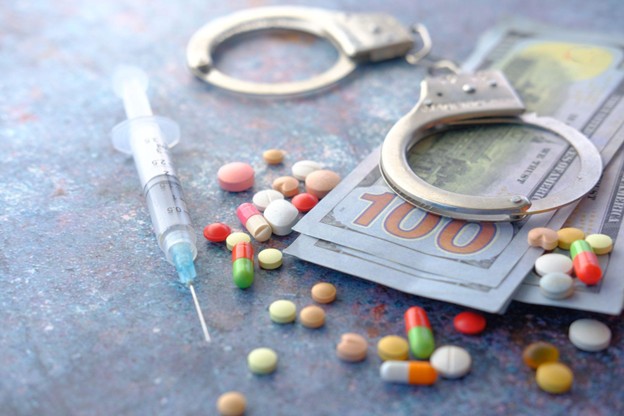
DWI Prescription Drugs NC: Can I Get a DWI for Taking My Prescribed Medication?
Imagine this: You are driving home from work in Greensboro. Your back hurts, so you took the pain medication your doctor prescribed you this morning. You aren’t speeding. You aren’t swerving. But a police officer pulls you over for a broken taillight.
The officer asks you to step out. He asks you to blow into a breathalyzer. You confidently agree because you haven’t had a drop of alcohol to drink. The machine reads 0.00%. You have the right to remain silent during police questioning, and exercising this right can protect you legally.
You think you are free to go. But then, the officer puts you in handcuffs and charges you with DWI.
How is this possible?
At Huggins Law Firm, we see this happen to good, law-abiding people all the time. You followed your doctor’s orders. You thought you were safe. Now you are being treated like a criminal.
In North Carolina, “Impaired Driving” doesn’t just mean alcohol. It means anything that affects your mind or body. This includes:
- Prescription drugs (such as prescription pills like Xanax, Percocet, or Adderall)
- Over the counter medications (like Benadryl or sleep aids)
- Illegal substances (such as Marijuana, Cocaine, or Methamphetamine)
We know you are scared and confused. We approach these cases with Compassion, not judgment. Whether you were arrested in High Point, Winston-Salem, or Graham, we know that these charges are often based on misunderstandings, not malice. We are here to help you clear your name.
The Law: “Appreciably Impaired” by Any Impairing Substance
What Is an “Impairing Substance”?
Under North Carolina General Statute § 20-138.1, it is illegal to drive while under the influence of “an impairing substance.” An impairing substance is defined as any substance—legal or illegal—that can affect your mental or physical faculties. This includes:
- Alcohol
- Prescription medications
- Over-the-counter drugs
- Controlled substances
- Any other chemical or compound that can impair your ability to drive
Impairment, not legality, triggers DWI charges. In North Carolina, impairment rather than the legality of the substance triggers DWI charges. This means that even if you are taking a medication legally prescribed to you, you can still be charged with DWI if it impairs your ability to drive safely.
What Does “Impaired” Mean?
The legal standard is “Appreciable Impairment.” This means your mental or physical abilities are noticeably affected. The effects of impairing medications can include:
- Drowsiness
- Confusion
- Blurred vision
- Dizziness
- Slowed reactions
- If your reaction time is slow because of a sleeping pill? Impaired.
- If your balance is off because of a painkiller? Impaired.
- If your focus is scattered because of anxiety medication? Impaired.
The scary part is that “Appreciable Impairment” is an opinion. It is the officer’s opinion. And officers are trained to look for signs of impairment in everyone they stop. Officer observations, field sobriety, and field sobriety tests are used to detect and prove impairment, even though these tests are primarily validated for alcohol and may be less reliable for prescription drug cases.
Prescription Medications and DWI Charges
It’s important to note: Legally prescribed medications can lead to drugged driving charges in North Carolina, and having a valid prescription is not a defense against these charges.
The “Prescription Defense”: Is Having a Script Enough?
Is a Valid Prescription a Defense?
Many people think, “I have a valid prescription bottle with my name on it, so I can’t be arrested.”
This is a myth.
Having a valid prescription is not a defense to a drugged driving charge in North Carolina. Legally prescribed medications can lead to drugged driving charges in North Carolina, and having a valid prescription is not a defense against these charges. Having a legally prescribed drug is not a valid defense in North Carolina if it renders you incapable of safely operating a vehicle. The law says you are responsible for knowing how your medicine affects you. If the bottle says “Do not operate heavy machinery,” that includes your car.
How Can a Prescription Help Your Case?
However, the prescription IS evidence. While it doesn’t automatically dismiss the case, we use your medical history to tell a different story. The mere presence of a prescription drug in your system does not necessarily mean you were impaired at the time of driving; the prosecution must prove actual impairment, not just that the substance was detected.
- We argue that you have built up a tolerance. Someone who has taken the same anxiety medication for 5 years reacts differently than someone taking it for the first time.
- We argue that the “signs of impairment” the officer saw (like sleepiness or slurred speech) might be side effects of your medical condition itself, not the drug.
We fight to show the judge that you were taking your medicine responsibly, not abusing it.
Marijuana DWI: Why Blood Tests Can Be Misleading

With laws changing around the country, we are seeing more and more DWI charges involving Marijuana in the Triad.
Here is the problem with Marijuana DWI cases: Science hasn’t caught up with the law.
1. The “Metabolite” Problem
When you smoke marijuana, the psychoactive part (THC) gets you high. But after the high wears off, “metabolites” (inactive chemicals) stay in your body for days or even weeks.
- A blood test might show marijuana in your system from a joint you smoked three days ago.
- Blood draws and the collection of a blood sample are standard testing procedures in these cases, but they can sometimes result in false positives due to lab errors or contamination.
- You were NOT high while driving. But the blood test says “Positive.”
2. No “Legal Limit”
For alcohol, we have 0.08%. For marijuana, there is no magic number.
- A daily smoker might have high levels of THC in their blood but drive perfectly fine.
- A first-time user might have low levels but be unable to drive safely.
Because there is no number, the case comes down to the officer’s observations. Did you smell like pot? Were your eyes red? Our lawyers challenge these observations. Red eyes can be allergies. The smell of marijuana doesn’t prove when it was smoked. We force the state to prove you were impaired at the exact moment of driving, not just that you used marijuana sometime in the past.
The Drug Recognition Expert (DRE): The “Expert” Witness
In drug DWI cases, the police often call in a special officer called a Drug Recognition Expert (DRE).
This officer has taken extra training to identify drug impairment. They will put you through a 12-step evaluation at the police station, which may include:
- Checking your pulse
- Checking your muscle tone
- Looking at your pupils in a dark room
- Checking your mouth for residue
- Using standardized field sobriety tests, such as the horizontal gaze nystagmus test
The DRE may also use standardized field sobriety tests, such as the horizontal gaze nystagmus test, as part of their assessment. In court, expert testimony can be critical in challenging the validity of these tests and the DRE’s conclusions.
Then, they make a “prediction” about what drug you are on.
Can we challenge the DRE? Absolutely. DREs are not doctors. They are not toxicologists. Their “science” is often flawed. At Huggins Law Firm, we know how to cross-examine DREs.
- We ask: “Did you know the driver had a heart condition that caused a high pulse?”
- We ask: “Did you know anxiety causes muscle rigidity?”
We expose the gaps in their training to show the judge that their “expert opinion” is really just a guess.
Mixing Alcohol and Medication (The Synergistic Effect)
This is a common trap. You go to dinner in Burlington. You have one glass of wine. You are totally fine to drive. But, you also took your anti-depressant or allergy pill that morning.
The “Synergistic Effect”: Alcohol and certain drugs can multiply each other’s effects. One drink + one pill might equal the feeling of three drinks.
The prosecutor will argue that even though your blood alcohol concentration (BAC) was only 0.04% (legal), the combination made you impaired. Even if your BAC is below the legal limit, delayed reactions caused by the combination of substances can still impair your driving ability, making you unsafe to drive under North Carolina law.
- Our Defense: We look at the pharmacology. Does your specific medication actually interact with alcohol? Or is the prosecutor just using scary words? We consult with experts to fight this theory.
Collateral Consequences of a Drug DWI Conviction
A drug DWI conviction in North Carolina reaches far beyond the courtroom—it can reshape your life in ways many people never expect. While the immediate criminal penalties like jail time, fines, and license suspension are daunting, the collateral consequences of a DWI conviction involving a controlled substance or impairing substance can linger for years, affecting your career, finances, and personal relationships.
Employment Impact
- A criminal record for drugged driving or impaired driving can show up on background checks, making it much harder to secure or keep a job—especially in fields that require a clean record, a professional license, or any driving responsibilities.
- Employers often view a DWI conviction, whether it involved a valid prescription or illegal drugs, as a red flag, and some may even terminate your employment or deny you a job offer outright.
Professional Licensing Risks
- If you hold a commercial driver’s license (CDL), work in healthcare, education, or any regulated profession, a DWI conviction can be considered an aggravating factor in licensing decisions.
- This can lead to suspension, revocation, or denial of your license, threatening your livelihood and future opportunities.
Insurance and Financial Consequences
- Insurance companies routinely raise rates for anyone with a DWI conviction, and some may refuse coverage altogether.
- This means you could face much higher costs for auto, health, or even life insurance.
- Losing your limited driving privileges can make it difficult to get to work, attend school, or care for your family, adding stress and logistical challenges to your daily life.
Social and Educational Effects
- A drug DWI conviction can damage your reputation, strain relationships, and cause emotional distress.
- The stigma of a criminal record—especially one involving a prescription drug, controlled substance, or other impairing substance—can lead to social isolation and a loss of self-esteem.
- For students, a conviction can jeopardize eligibility for financial aid or scholarships, as many educational institutions consider criminal records in their decisions.
North Carolina law takes drugged driving seriously, and the legal process is complex. Even if you were taking legally prescribed medication with a valid prescription, the prosecution only needs to prove actual impairment or the presence of a controlled substance to secure a conviction. That’s why it’s critical to have a strong defense and a strategic approach from the very beginning.
If you are facing DWI charges related to prescription medications or other drugs, don’t underestimate the collateral consequences. Protect your driving privileges, your career, and your future by consulting with an experienced criminal defense attorney who understands North Carolina law and can guide you through the legal process. The right legal strategy can make all the difference in minimizing the impact of a DWI conviction and helping you move forward with your life.
Why You Need a Local Lawyer for Drug DWI
Drug DWI cases are much more complicated than alcohol cases. There is no simple “.08” to rely on. It is a battle of science and opinions.
You need a lawyer who knows the judges in Greensboro, High Point, and Winston-Salem. Local experience in Wake County is also crucial for handling drugged driving charges and building a strong legal defense that serves your best interest.
- Some judges are very strict about marijuana.
- Others are very understanding about prescription medications for mental health or chronic pain.
Knowing your audience (the judge) is half the battle. Our team is in these courtrooms every day. We know how to present your medical history in a way that builds sympathy and doubt, rather than making you look like an addict.
Can I Keep My License While the Case is Pending?
This is good news. If you are charged with an Alcohol DWI (0.08+), your license is immediately revoked for 30 days.
However, for a Drug/Medication DWI: If there was no alcohol involved (you blew 0.00), your license is generally NOT automatically revoked for the first 30 days. You should be able to keep your physical license and keep driving while we fight the case.
- Exception: If you refused a blood test, the DMV might try to revoke your license for a “Refusal,” which is a separate issue we handle. Refusal results in immediate legal consequences, including license suspension, and it’s important to understand how refusal results can significantly impact your case.
Key Takeaways
- 0.00 Doesn’t Mean Innocent: You can be convicted with zero alcohol if drugs impaired you.
- Prescriptions Aren’t Immunity: A valid script is a defense, but not a “get out of jail free” card.
- Marijuana is Tricky: Blood tests show past use, not necessarily current impairment. We fight this distinction hard.
- The DRE Officer: They claim to be experts, but we know how to challenge their “medical” opinions.
- Keep Your License: Unlike alcohol cases, drug cases usually don’t trigger an immediate 30-day suspension.
- We Understand: We know you aren’t a criminal. You are a patient. We fight to tell your story.
If you are facing criminal charges related to drugged driving, our team can help you understand your options and build a defense tailored to your case. We offer a free consultation to discuss your case and potential defense strategies.
Compassionate Defense for Complex Cases
You were taking care of your health. You shouldn’t be punished for it.
At Huggins Law Firm, we specialize in the science of Drug DWI defense. We fight for clients in Greensboro, High Point, Winston-Salem, Graham, Asheboro, and Kernersville.
Don’t let a prescription bottle ruin your driving record. Contact Us Today for a confidential consultation. Let’s look at the blood results and fight for your future.
Disclaimer: The information on this website is for general information purposes only. Nothing on this site should be taken as legal advice for any individual case or situation. This information is not intended to create, and receipt or viewing does not constitute, an attorney-client relationship. For specific legal questions or to speak directly with an attorney, please contact us.