
Introduction: What This Page Covers and Who It’s For
If you’re a driver in North Carolina who has been stopped for DWI or asked to perform roadside field sobriety tests, this page is for you. Here, you’ll learn exactly what field sobriety tests are, your rights during a traffic stop, and the main ways to challenge field sobriety test results in North Carolina. Understanding these challenges is crucial—field sobriety tests are not required by law, and their results are often subjective, influenced by officer error, environmental conditions, or medical issues. If you’re wondering how to challenge field sobriety test results in North Carolina, this page explains your rights and defense strategies, so you can protect your future and make informed decisions.

You are driving down West Market Street in Greensboro or maybe near the university in High Point. You see blue lights. You pull over. The officer asks you to step out of the car.
Then, the performance begins.
The officer asks you to follow a pen with your eyes. He asks you to walk a straight line, heel-to-toe. He asks you to stand on one leg while counting out loud. You are nervous. Your knees are shaking. Cars are whizzing by you. You try your best, but the officer shakes his head, puts you in handcuffs, and tells you that you “failed.”
At Huggins Law Firm, we want you to know the truth about these tests. Criminal defense attorneys are experienced in challenging field sobriety test results in North Carolina, using their expertise to scrutinize every detail.
Field Sobriety Tests (FSTs) are not perfect science. They are not a DNA test. They are subjective. That means the “score” depends entirely on the opinion of the police officer who arrested you.
Many people think that because they “failed” these tests on the side of the road, their case is hopeless. That is simply not true. Poor performance on these tests does not always indicate intoxication.
Whether you were stopped in Graham, Burlington, Asheboro, or Kernersville, our team of lawyers knows how to break down these tests. We look at the body camera footage. We check the weather. We look at your medical history. Presenting alternative explanations for test results, such as fatigue, anxiety, or medical issues, is a key part of our defense strategy. We find the reasons why a sober person might struggle to balance on one leg at 2:00 AM. Medical conditions, nerves, or other factors can affect performance on field sobriety tests.
We are Strong but Calm. We don’t yell; we analyze. And we use the officer’s own training manual to fight for your Second Chance.
Main Ways to Challenge Field Sobriety Test Results in North Carolina
If you’re facing DWI charges, there are several proven ways to challenge field sobriety test results in North Carolina:
- Right to Refuse
- Field sobriety tests are not required in North Carolina, and you have the right to refuse them during a traffic stop. Refusing does not result in automatic license suspension, though it may be mentioned in court.
- Officer Errors
- Officers must follow strict NHTSA guidelines for standardized tests. If they fail to give clear instructions, demonstrate the test, or follow proper procedures, the results can be invalidated.
- Environmental and Medical Factors
- Results may be unreliable if the test was conducted on uneven ground, loose gravel, slippery surfaces, in poor lighting, or with heavy traffic noise.
- Numerous medical and physical conditions, such as inner ear disorders, knee or back injuries, obesity, or unstable footwear, can cause poor performance unrelated to alcohol.
- Non-Standardized Tests
- The use of non-standardized tests (like the alphabet test or finger-to-nose) can be easily challenged in court because they lack scientific recognition.
- Challenging Officer Qualifications
- If the officer lacks specific training or certification to administer and interpret standardized tests, their conclusions can be challenged.
Defense attorneys often review dashcam or bodycam footage to compare the officer’s written report against the actual performance of the individual tested. If field sobriety test results are thrown out due to errors, the prosecution may lack the ‘probable cause’ required to justify the subsequent arrest.
Introduction to Field Sobriety
Field sobriety tests are a set of physical and cognitive exercises that law enforcement officers use during a traffic stop to help determine if a driver is impaired. In North Carolina, these tests are a common part of DWI investigations and are designed to measure your balance, coordination, and ability to follow instructions—skills that can be affected by alcohol or other substances. The National Highway Traffic Safety Administration (NHTSA) has established three standardized field sobriety tests for impaired driving cases: the Horizontal Gaze Nystagmus (HGN) test, the Walk-and-Turn test, and the One-Leg Stand test. The most widely used standardized field sobriety tests include the Horizontal Gaze Nystagmus (HGN) test, the Walk-and-Turn test, and the One-Leg Stand test. Each of these exercises challenges both your physical abilities and your mental focus, asking you to perform tasks like walking a straight line or standing on one leg while counting out loud.
What Officers Are Looking For
- Balance
- Coordination
- Ability to follow instructions
Understanding how these field sobriety tests work, and what officers are looking for, can help you make informed decisions if you’re ever asked to perform them during a traffic stop in North Carolina.
Transition: Now that you know what field sobriety tests are and what officers are looking for, let’s discuss whether you are required to take them in North Carolina.
Are Field Sobriety Tests Mandatory in North Carolina?
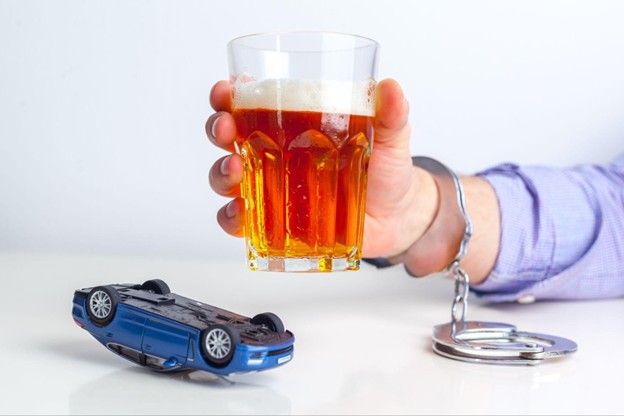
This is the single most common question we get asked. Most people know that if you refuse the breathalyzer (the machine), you lose your license due to license suspension for refusing a chemical test—not for refusing field sobriety tests.
But what about the roadside gymnastics?
The Answer: No. In North Carolina, you are NOT legally required to perform Field Sobriety Tests.
There is no law in the North Carolina General Statutes that says you must walk a line or stand on one leg. You have the right to refuse field sobriety tests, and doing so does not result in immediate driver’s license suspension. Refusing field sobriety tests is voluntary and does not carry the same license suspension penalties as refusing a breath or blood test.
Why Do People Take the Tests?
- Fear of authority
- Belief that cooperation will help
- Officer’s request sounds like an order
Why do people do them? Because they are scared. The officer is an authority figure. They make it sound like an order: “Step out here and do this for me.” Most people think if they cooperate, the officer will let them go. Unfortunately, these tests are usually used to build evidence against you, not to clear you.
If you already did the tests, don’t worry. Most people do. Now, it is our job as your lawyers to look at how you did them and prove that the “failure” wasn’t because of alcohol.
Transition: Now that you know your rights regarding these tests, let’s examine how scientific they really are.
Are These Tests Actually Scientific?
Police officers call them “Standardized Field Sobriety Tests” (SFSTs). These include the three field sobriety tests: the Horizontal Gaze Nystagmus (HGN) test, the walk-and-turn test, and the one-leg stand test. These standard field sobriety tests are physical and mental exercises designed to detect impairment by assessing coordination, focus, and cognitive abilities. Officers often present these tests as scientific proof of impairment.
NHTSA Accuracy Rates
The tests were created by the National Highway Traffic Safety Administration (NHTSA) decades ago. Even according to their own studies, these tests are not 100% accurate.
- Horizontal Gaze Nystagmus (Eye Test): 77% accurate.
- Walk-and-Turn: 68% accurate.
- One-Leg Stand: 65% accurate.
Read those numbers again. The One-Leg Stand is only 65% accurate. That means that 35% of the time, a perfectly sober person might fail this test just because they have bad balance or are nervous.
Why Accuracy Matters
In a court of law, where you are innocent until proven guilty, a 35% error rate is a huge deal. Our lawyers use these numbers to argue that the “evidence” against you is actually just a guess.
Transition: Next, let’s break down each of the main standardized field sobriety tests and see how they work—and how they can be challenged.
The “Eye Test” (HGN): Why Your Eyes Might Trick the Officer
The first test is usually the Horizontal Gaze Nystagmus (HGN) test (also known as the horizontal gaze nystagmus test, a standard field sobriety assessment). The officer holds a pen or a light in front of your face and asks you to follow it with your eyes without moving your head.
What Are Officers Looking For?
- Involuntary jerking or bouncing of the eyeball (nystagmus)
- Early onset of nystagmus, which can be a sign of alcohol impairment
Other Causes of Nystagmus
There are dozens of things that can cause nystagmus besides alcohol, including:
- Head injuries (e.g., concussion)
- Caffeine (coffee or energy drinks)
- Nicotine (smoking or vaping)
- Fatigue (being very tired)
- Flashing lights (from police car strobe lights)
Having consumed alcohol is just one of several factors that can affect your performance on the horizontal gaze nystagmus test, and other medical or physical conditions may also influence the results.
Challenging the HGN Test
- Did the officer hold the pen too high?
- Did they move it too fast?
- Did they follow the strict scientific rules?
If they didn’t follow the strict scientific rules, the test results are worthless.
Transition: After the eye test, officers often move on to the Walk-and-Turn test, which presents its own set of challenges and pitfalls.
The Walk-and-Turn (WAT): A Test Designed to Fail
This is the “walk the line” test. It sounds easy. “Just walk nine steps, turn around, and walk nine steps back.” The walk-and-turn test is designed to measure balance and divided attention, helping officers assess both your physical coordination and your ability to follow instructions.
Test Instructions
- Stand with one foot in front of the other, arms at your sides
- Take nine heel-to-toe steps along a straight line
- Turn using a series of small steps
- Take nine heel-to-toe steps back
Common Mistakes (Officer “Clues”)
The officer isn’t just watching if you fall down. They are marking you down for tiny mistakes you might not even realize you are making. Poor balance is one of the main indicators officers use to support their conclusions about impairment.
- Starts too soon (before told)
- Stops walking
- Misses heel-to-toe (gap of more than half an inch)
- Steps off the line
- Uses arms for balance (arms more than 6 inches from body)
- Improper turn (not using small steps)
- Wrong number of steps
Defense Strategies
- Environmental factors (e.g., uneven ground, poor lighting)
- Nervousness or anxiety
- Medical conditions affecting balance
The Challenge: Imagine doing this on the side of I-40 in Burlington with semi-trucks driving by. Imagine doing it in heels or boots. Imagine doing it when you are terrified of going to jail. We argue that nervousness causes people to start too soon or lose count. Being nervous is not a crime.
Transition: The next test, the One-Leg Stand, is even more physically demanding and can be unfair for many people.
The One-Leg Stand (OLS): Balance vs. Booze
The officer asks you to lift one foot six inches off the ground and count out loud (“one thousand one, one thousand two…”) for 30 seconds.
Who Struggles With This Test?
- People who are overweight (50+ pounds over ideal weight)
- People over the age of 65
- People with back, leg, or inner ear issues
Certain physical tests, like the one-leg stand, may be especially difficult for people with medical conditions, leading to poor performance that is unrelated to alcohol consumption.
NHTSA Guidelines
The NHTSA Manual specifically says that people with these conditions should not be given this test because it is unfair.
Defense Strategies
- Bring medical records or doctor’s notes to court
- Show that failure was due to biology, not alcohol
If you have a bad knee, a past ankle injury, or are just “clumsy,” you are set up to fail. At Huggins Law Firm, we ask our clients about their medical history. If you have a doctor’s note about a bad back, we bring that to court. We show the judge that you didn’t fail because of whiskey; you failed because of biology.
Transition: Beyond physical and medical factors, nerves and stress can also play a major role in how you perform on these tests.
Why “Nerves” Look Like “Impairment” to Police
This is the human element that the law often ignores.
When a police officer pulls you over, their adrenaline is pumping. But so is yours. Your body goes into “Fight or Flight” mode.
Common Signs of Nervousness
- Shaky hands
- Cracking voice
- Racing heart
- Fumbling for license or documents
The officer writes in his report: “Driver had shaky hands, fumbled for wallet, and seemed confused.” He calls this Impairment. Officers are trained to look for signs of impairment when detecting impairment during a traffic stop, but nervousness can easily be mistaken for impairment. We call this Fear.
We believe in Radical Clarity. We explain to the judge or jury that a normal person should be nervous when confronted by police. Misinterpreting fear as intoxication is one of the biggest mistakes law enforcement makes. We call them out on it.
Transition: The environment where these tests are given can also have a huge impact on your performance and the reliability of the results.
Environmental Factors: The Roadside Reality
The police manual says these tests should be done on a “reasonably dry, hard, level, non-slippery surface.”
Common Environmental Challenges
- Gravel shoulder of a rural road
- Sloped hill in downtown areas
- Rain or snow
- Darkness, illuminated only by strobe lights
If an officer fails to account for these environmental factors, the results of the field sobriety test may be unreliable.
The “Flashlight Effect”
- Balancing while red and blue strobe lights are flashing in your face
- Disorientation and loss of equilibrium
Our lawyers visit the scene. We look at Google Earth. Was the road sloped? Was there gravel? If the environment was unfair, the test results are unfair. We fight to get that evidence thrown out.
Officers decide whether to arrest based on their interpretation of the test results, and their judgment can be influenced by these environmental challenges.
Transition: The officer’s role and their training are also critical factors in the reliability of field sobriety test results.
The Role of the Arresting Officer
The arresting officer is central to the field sobriety testing process. It’s their job to administer the sobriety test according to strict procedures, clearly explain and demonstrate each exercise, and observe your performance for signs of impairment.
Officer Responsibilities
- Administer tests according to NHTSA guidelines
- Clearly explain and demonstrate each exercise
- Observe and record performance accurately
However, officers are human—they can make mistakes, misinterpret your actions, or overlook important medical conditions that might affect your ability to perform the tests. Sometimes, an officer’s own biases or lack of experience can influence the field sobriety test results.
Challenging Officer Qualifications
- Lack of specific training or certification
- Failure to follow proper procedures
That’s why it’s important to be aware of your rights during a traffic stop and to let the officer know if you have any medical conditions that could impact your performance. If you’re facing DWI charges, experienced attorneys can review the arresting officer’s training, qualifications, and conduct to identify any errors or inconsistencies in how the field sobriety tests were given. Challenging the officer’s actions and the validity of the test results can be a key part of your defense.
Transition: The officer’s observations and the results of the field sobriety tests are used to establish probable cause for arrest, but these can be challenged as well.
Establishing Probable Cause
In DWI cases, establishing probable cause is a crucial step before an arrest can be made. Field sobriety tests are one of the main tools officers use to build probable cause, but they’re not the only factor.
What Officers Consider
- Driving behavior
- Slurred speech
- Smell of alcohol
- Field sobriety test results
The results of the field sobriety tests, combined with these other observations, help the officer decide whether there’s enough evidence to make a DWI arrest. However, it’s important to remember that field sobriety tests are not foolproof. Environmental conditions, medical issues, and even officer errors can all affect the accuracy of the results.
Challenging Probable Cause
If field sobriety test results are thrown out due to errors, the prosecution may lack the ‘probable cause’ required to justify the subsequent arrest. If you believe the probable cause for your arrest was weak or based on flawed testing, an experienced attorney can review your case and challenge the evidence in court.
Transition: One of the most powerful tools for challenging field sobriety test results is body cam footage, which can reveal discrepancies between the officer’s report and what actually happened.
How Huggins Law Firm Deconstructs Body Cam Footage

In the old days, it was just your word against the officer’s word. The officer usually won.
Today, almost every officer in the Triad wears a Body Worn Camera. This is a game-changer for defense lawyers.
When you hire Huggins Law Firm, we request the video. We watch it frame-by-frame. We don’t just watch it; we audit it.
What We Look For
- Instructions: Did the officer explain the test correctly? If they gave the wrong instructions, you can’t be blamed for doing it wrong.
- The “Invisible” Clues: The officer might write “swayed while balancing” in his report. But the video might show you standing perfectly still. We use the video to impeach the officer’s credibility.
- Tone of Voice: Were you polite? Were you speaking clearly? Officers often claim “slurred speech,” but the audio might prove you were speaking fine.
We use the state’s own evidence to prove your innocence. This includes reviewing chemical analysis, such as breath or blood samples, to challenge the prosecution’s case and build a strong defense.
Transition: If you have physical disabilities or medical conditions, these can also be used to challenge the validity of field sobriety test results.
What If I Have Physical Disabilities?
We see the whole person. We know that many of our clients in High Point and Greensboro have lived hard lives. They have worked in factories or on farms. Their bodies have wear and tear.
Common Medical Conditions Affecting FSTs
- Arthritis
- Vertigo or inner ear infections
- Plantar fasciitis
- Recent surgeries
- Severe anxiety
You are not a good candidate for these tests. The police are trained to ask, “Do you have any physical problems?” But in the heat of the moment, most people say “No” because they just want to cooperate.
That “No” doesn’t mean you are healthy. It means you were scared. We can use your medical records to show the court that the test was physically impossible for you to pass, regardless of alcohol.
Transition: Sometimes, officers use non-standardized tests that are even less reliable and easier to challenge in court.
Non-Standardized Tests: The “ABC” and “Finger Count”
Sometimes, an officer gets creative. They might ask you to:
- Recite the alphabet from E to P.
- Count backward from 67 to 54.
- Touch your fingers to your thumb.
Why These Tests Are Problematic
These are NOT standardized tests. NHTSA has not validated them. There is no scientific study that says reciting the alphabet backwards proves you are drunk.
If an officer used these “made up” tests to arrest you, we attack their validity aggressively. We argue that they are just mind games designed to confuse you, not scientific evaluations of sobriety.
Transition: Understanding the difference between field sobriety tests and chemical tests is also important for protecting your rights.
The Implied Consent Law
North Carolina’s implied consent law means that if you’re arrested for DWI, you are legally required to submit to chemical testing—such as a breath or blood test—to determine your blood alcohol content. Refusing to take a breath or blood test can lead to an automatic suspension of your driver’s license and may be used as evidence against you in court.
Field Sobriety Tests vs. Chemical Tests
- Field sobriety tests are not mandatory; you can refuse them without automatic license suspension.
- Chemical tests (breath or blood) are mandatory after arrest; refusal leads to license suspension.
Understanding the difference between field sobriety tests and chemical testing is essential for protecting your rights during a traffic stop. If you’re unsure about your obligations or the legal consequences of refusing a test, a knowledgeable DWI lawyer can help you navigate North Carolina’s implied consent law and ensure your rights are protected throughout the process.
Transition: Having a local lawyer who knows the courts and officers in your area can make a significant difference in your case.
Why You Need a Local Lawyer in the Triad
Challenging FSTs requires a lawyer who knows the local judges.
Local Knowledge Matters
- In Greensboro, some judges are very skeptical of the HGN (eye) test.
- In Graham (Alamance County), the prosecutors might focus heavily on the body cam footage.
- In Winston-Salem, the specific training of the officer matters a lot.
We know which officers are “DWI Task Force” experts and which ones are rookies who might have messed up the instructions. We know the local landscape. We serve clients across Guilford, Alamance, Randolph, and Forsyth counties.
If you want to discuss your DWI or field sobriety test case, contact us for a free case evaluation.
Transition: To summarize, here are the key takeaways about field sobriety tests and your rights in North Carolina.
Key Takeaways
- Not Mandatory: You can refuse roadside agility tests in NC without losing your license (unlike the breath test). However, refusing breath or blood tests (chemical tests) can result in immediate license suspension.
- Subjective Science: FSTs are opinions, not facts. The “One-Leg Stand” is only 65% accurate.
- Nerves vs. Alcohol: Anxiety mimics impairment. Shaky hands or forgetting instructions is normal when you are scared.
- Medical Issues: Bad knees, back pain, or weight issues can make passing these tests impossible for sober people.
- Video Evidence: We use body cam footage to prove you performed better than the officer’s report says.
- Environmental Factors: Uneven ground, gravel, or rain invalidates the tests.
- We Fight for You: We deconstruct the evidence to create reasonable doubt.
In summary, field sobriety tests are not mandatory and are based on subjective observations, while blood tests and breathalyzer tests are chemical tests that provide physical evidence, such as a blood sample. Breath or blood tests are governed by implied consent laws, and refusal can lead to license suspension and be used as evidence against you, which is different from the evidence gathered through field sobriety tests.
Transition: For more details, see our frequently asked questions below.
Challenge the Evidence. Protect Your Future.
Don’t let a “failed” gymnastics test on the side of the road define you. The evidence against you might not be as strong as you think.
At Huggins Law Firm, we are ready to analyze every step, every turn, and every instruction. We fight for clients in Greensboro, High Point, Winston-Salem, and throughout the Triad.
Contact Us Today for a consultation. Let us look at the evidence and fight for your second chance.
Disclaimer: The information on this website is for general information purposes only. For legal resources, please visit our Resources page. Nothing on this site should be taken as legal advice for any individual case or situation. This information is not intended to create, and receipt or viewing does not constitute, an attorney-client relationship.