
Seeing those blue lights in your rearview mirror is a scary feeling. Your heart starts pounding. Your hands get sweaty. Maybe you were driving home from dinner in downtown Greensboro. Maybe you were coming back from a friend’s house in Kernersville or Graham. You thought you were okay to drive, but now you are sitting on the side of the road, and the police officer is asking you to step out of the car.
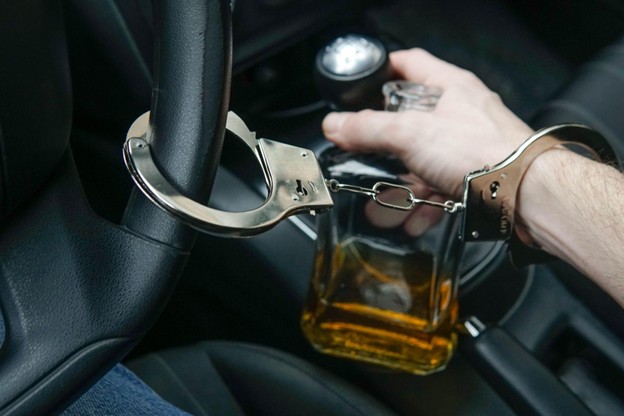
This guide is for individuals in Greensboro and surrounding areas facing a first-time DWI charge who need to understand their legal options and next steps. Understanding your rights and the legal process can make a significant difference in the outcome of your case. Choosing a Greensboro DWI attorney for a first offense requires proven local experience with NC DWI laws and courts, and it is important to confirm the attorney’s focus is specifically on DWI defense in Guilford County. Local DWI attorneys possess familiarity with Guilford County judges, prosecutors, and court procedures, which can make a significant difference in your defense.
If you have been charged with a First Offense DWI (Driving While Impaired), we want you to take a deep breath. This guide is written by our team of lawyers to help you understand exactly what is going on. We aren’t going to use big, confusing legal words. We are going to tell you the truth about North Carolina law, what happens to your license, and how we fight to help you rebuild your life.
At Huggins Law Firm, we know that good people can find themselves in bad situations. We see the whole person, not just the police report. Just because you were charged does not mean your life is over. It does not mean you are a criminal. It means you made a mistake, and now you need help to fix it.
Whether you are in Winston-Salem, Asheboro, Burlington, or High Point, the laws are the same, but the courts can be different. We are here to guide you through it.
How to Choose a Greensboro First Offense DWI Attorney
Selecting the right attorney for your first DWI offense in Greensboro is crucial. Here’s what you should look for:
- Proven Local Experience: Your attorney should have a track record of handling DWI cases specifically in Greensboro and Guilford County. Local experience means they understand the nuances of North Carolina DWI laws and the unique procedures of area courts.
- Focus on DWI Defense: Confirm that the attorney’s primary focus is DWI defense, not just general criminal law. DWI cases require specialized knowledge and strategies.
- Familiarity with Local Courts: A local DWI attorney will know the judges, prosecutors, and court staff in Guilford County, which can be a significant advantage in negotiating and defending your case.
- Clear Defense Strategy: The attorney should be able to explain their approach to DWI defense, including how they challenge the stop, chemical test results, and other evidence.
- Client Reviews and Results: Look for testimonials and case results that demonstrate the attorney’s effectiveness in DWI cases.
At Huggins Law Firm, our team is dedicated to DWI defense in Guilford County and the surrounding Triad area. We leverage our local experience and relationships to fight for the best possible outcome for our clients.
Introduction to Drunk Driving
Drunk driving, also known as driving while intoxicated (DWI), is a serious offense in North Carolina with life-changing consequences. If you’re facing a DWI arrest in Greensboro, NC, or anywhere in the state, it’s important to understand just how significant the penalties can be. A DWI conviction can lead to jail time, steep fines, and a suspension of your driver’s license—consequences that can impact your job, your family, and your future.
North Carolina law sets the legal limit for blood alcohol concentration (BAC) at 0.08% for most drivers. For commercial drivers, the legal limit is even lower at 0.04%. If you’re under 21, any detectable amount of alcohol in your system is enough for a DWI charge. These strict standards reflect how seriously the state treats drunk driving. If you’re facing DWI charges, working with a skilled DWI attorney can make all the difference in protecting your rights and minimizing the impact on your life.
Is a DWI the Same Thing as a DUI in North Carolina?
This is the first question almost everyone asks us. You might hear people say “DUI” (Driving Under the Influence) and others say “DWI” (Driving While Impaired).
In North Carolina, the correct legal term is DWI.
The law for this is found in North Carolina General Statute § 20-138.1. This law says you can be charged if you drive a vehicle on a public road while you are “impaired.”
Being impaired means your body or mind is affected by:
- Alcohol
- Drugs (including prescription drugs)
- A mix of both
Impaired driving includes operating a vehicle under the influence of alcohol, illegal drugs, or prescription drugs. This means that even if you are taking medication prescribed by your doctor, you can still face DWI or DUI charges if it affects your ability to drive safely.
Usually, if your Blood Alcohol Concentration (BAC) is 0.08% or higher (the legal BAC limit in North Carolina for most drivers), you are automatically considered impaired. But, you can still be charged even if your number is lower, if the officer thinks you were driving unsafely.
Why does this matter? Because you don’t have to be “drunk” to get a DWI. You just have to be “impaired.” That is a big difference. Our lawyers look closely at the facts to see if the state can actually prove you were impaired.
The DWI Arrest Process
A DWI arrest in North Carolina usually starts with a traffic stop. If an officer suspects impairment—maybe because of swerving, speeding, or the smell of alcohol—they may ask you to step out of your vehicle. The process typically involves the following steps:
- Initial Stop: The officer observes driving behavior and pulls you over if they suspect impairment.
- Field Sobriety Tests: You’ll likely be asked to perform field sobriety tests to check your balance, coordination, and ability to follow instructions.
- Arrest: If the officer suspects you’re impaired, you’ll be arrested and taken to the police station.
- Chemical Testing: At the station, you’ll be asked to take a breath test or chemical analysis. North Carolina’s implied consent laws mean that by driving, you’ve already agreed to submit to these tests.
- License Consequences: Refusing a breath test or chemical analysis can lead to an automatic license suspension, even before your case goes to court.
Throughout this process, having a DWI attorney by your side is crucial—they can help you understand your rights, challenge any improper procedures, and ensure you’re treated fairly.
Handling DWI Stops

If you’re pulled over for suspected DWI, how you handle the stop can make a big difference. Stay calm, be polite, and avoid making statements that could be used against you later. You have the right to decline field sobriety tests, but refusing a breath test or chemical analysis can result in additional penalties, including a longer license suspension.
It’s always wise to request to speak with a DWI attorney as soon as possible. A skilled DWI defense attorney can guide you through the process, help you understand your options, and protect your rights from the very beginning. In Greensboro, NC, having an experienced DWI lawyer on your side can ensure you receive fair treatment and the best possible defense, whether you’re dealing with field sobriety tests, a breath test, or a chemical analysis.
Will I Face Jail Time for a First Offense DWI in NC?
This is the scariest part for most folks. Nobody wants to go to jail.
A first offense DWI is considered an impaired driving offense under North Carolina law, which means it is treated as a serious criminal matter rather than just a traffic violation.
The good news is that for a standard Level 5 first offense (we will explain levels in a minute), a jail sentence is not mandatory if you have a good lawyer who can help you get a “suspended sentence.”
However, North Carolina takes DWI very seriously. Even for a first offense, the law says you could face a jail sentence if there are aggravating factors.
Here is a statistic that very few people talk about: According to the North Carolina Sentencing and Policy Advisory Commission, thousands of people are convicted of DWI every year, but the punishment depends entirely on your “Level.”
A first offense DWI can result in significant penalties, including fines, license suspension, and the possibility of a jail sentence, making it crucial to have experienced legal representation. Judges consider aggravating and mitigating factors when determining the appropriate sentence, which can greatly impact the outcome of your case.
Understanding Sentencing Levels
North Carolina uses a unique system. It’s not just “Guilty” or “Not Guilty.” If you are convicted, the judge has to decide your punishment Level. Level 5 is the easiest, and Level 1 is the hardest. Prior convictions, including a prior DWI conviction, can elevate your punishment level, even for a first offense.
- Level 5 (Most Common for First Timers):
- This is usually for people with a clean driving record and no bad factors (like a crash).
- Punishment: A fine up to $200 and a minimum of 24 hours in jail. BUT, a good lawyer can often help you avoid jail by doing 24 hours of community service instead.
- You will also lose your license for one year (but we can usually help you get a driving privilege to go to work).
- Mandatory alcohol education programs are often required as part of the sentence for first-time offenders.
- Level 4:
- This happens if you have one “Aggravating Factor.”
- Punishment: A fine up to $500 and 48 hours in jail. Again, community service is often an option our lawyers fight for.
- Level 3:
- This is if you have two “Aggravating Factors.”
- Punishment: A fine up to $1,000 and at least 72 hours in jail. At this level, avoiding jail gets much harder.
- Level 2 & Level 1 (The Serious Ones):
- Even if it is your first DWI, you can hit these levels if you had a child (under 18) in the car or if someone got hurt. Prior convictions, including a prior DWI conviction, can also result in Level 1 or Level 2 punishment.
- Level 2: Minimum 7 days in jail.
- Level 1: Minimum 30 days in jail.
- The fines can be thousands of dollars.
- Aggravated DWI cases, such as those involving injury, death, or a child passenger, lead to enhanced penalties at these levels.
Aggravating Factors
What is an Aggravating Factor? These are things that make your case look worse to the judge. They include:
- Having a BAC of 0.15 or higher
- Driving recklessly or causing a crash
- Driving on a revoked license
- Speeding away from the police
At Huggins Law Firm, we work hard to find “Mitigating Factors.” These are good things that help balance out the bad. This includes having a safe driving record, being polite to the officer, or voluntarily taking a substance abuse assessment before court. We use these to fight for the lowest possible Level for you.
Penalties become more severe for repeat DWI offenders with prior convictions, as North Carolina law imposes harsher consequences for DWI offenders with a history of prior offenses.
Mitigating Factors
While aggravating factors can increase the severity of DWI penalties, mitigating factors can help reduce them. If you have a clean criminal record, voluntarily complete a substance abuse assessment, or enroll in a substance abuse treatment program, these actions can show the court that you’re taking responsibility and working to prevent future offenses.
Common mitigating factors include:
- Having a safe driving record
- Being polite and cooperative with law enforcement
- Voluntarily completing a substance abuse assessment
- Enrolling in or completing a substance abuse treatment program
- Voluntarily attending Alcohol and Drug Education Traffic School (ADETS)
- Demonstrating a physical disability that may have affected field sobriety test performance
In North Carolina, highlighting mitigating factors can lead to reduced penalties, such as shorter jail sentences or lower fines. A DWI attorney can help you identify and document these positive steps, presenting them effectively in court. In Greensboro, NC, an experienced DWI lawyer will know how to use mitigating factors to your advantage, helping you navigate the legal process and work toward a more favorable resolution in your DWI case.
Aggravating Factors in DWI Cases
Not all DWI cases are treated the same in North Carolina. Aggravating factors can make the penalties for a DWI conviction much more severe. These include:
- Having a high blood alcohol concentration (BAC of 0.15 or higher)
- Prior DWI convictions
- Causing serious injury or death while driving impaired (grossly aggravating factors)
- Reckless driving
- Excessive speeding
- Having a child in the car at the time of the offense
If your case involves any of these aggravating factors, you could be facing harsher penalties, such as longer jail sentences and higher fines. A DWI attorney can help you understand how these factors apply to your case and work to build a robust defense. In Greensboro, NC, a skilled DWI lawyer will know how to challenge the evidence, negotiate with prosecutors, and fight for the best possible outcome, even in complex DWI cases involving serious injury or other grossly aggravating factors.
Mitigating Factors in DWI Cases
While aggravating factors can increase the severity of DWI penalties, mitigating factors can help reduce them. If you have a clean criminal record, voluntarily complete a substance abuse assessment, or enroll in a substance abuse treatment program, these actions can show the court that you’re taking responsibility and working to prevent future offenses.
Examples of mitigating factors:
- Clean driving record
- Voluntary completion of a substance abuse assessment
- Enrollment in a substance abuse treatment program
- Voluntary participation in ADETS (Alcohol and Drug Education Traffic School)
- Demonstrating a physical disability that may have affected field sobriety test performance
In North Carolina, highlighting mitigating factors can lead to reduced penalties, such as shorter jail sentences or lower fines. A DWI attorney can help you identify and document these positive steps, presenting them effectively in court. In Greensboro, NC, an experienced DWI lawyer will know how to use mitigating factors to your advantage, helping you navigate the legal process and work toward a more favorable resolution in your DWI case.
What Happens to My Driver’s License Immediately After Arrest?
Imagine you live in Graham or Burlington but you work in Greensboro. You need to drive. You look for the “best route near me” on your GPS every morning to avoid traffic. But after a DWI arrest, your driver’s license might be immediately taken away, and you might not be allowed to drive at all.
In North Carolina, the moment you are charged with DWI and blow a 0.08 or higher while operating a motor vehicle, your driver’s license is immediately taken away for 30 days. This is called a “Civil Revocation.” It happens before you even go to court. Operating a motor vehicle while impaired is what triggers the license suspension process.
Can I get it back sooner? Yes, in some cases. After 10 days, our lawyers can often help you restore your driving privileges by applying for limited driving privileges (Limited Driving Privilege, LDP) for the remaining 20 days. This allows you to drive to:
- Work
- School
- Religious services
- Medical appointments
To get this, you need to show the court that you are a good person who needs to provide for your family. We help you get the paperwork ready so you aren’t stuck at home.
Do I Have to Blow into the Breathalyzer?
You have probably seen TV shows where a lawyer says, “Don’t talk to the police.” But in North Carolina, driving is a privilege, not a right.
When you get a driver’s license in NC, you agree to something called Implied Consent. This means you agree to be tested if an officer suspects you are drinking. The officer may ask you to take a breathalyzer test, which measures your blood alcohol content to determine if you are over the legal limit.
If you refuse the breathalyzer:
- The officer will likely get a warrant to draw your blood anyway.
- Your license will be automatically revoked for one year by the DMV.
- This revocation happens even if you are found “Not Guilty” of the DWI later!
Because of this, refusing the test can sometimes make things more complicated. However, every case is different. If you have already refused, don’t panic. Our lawyers know how to handle DMV hearings to fight for your license, and a skilled attorney can challenge evidence from the breathalyzer test if there are issues with calibration or procedure.
Why Is the Court System in the Triad So Confusing?
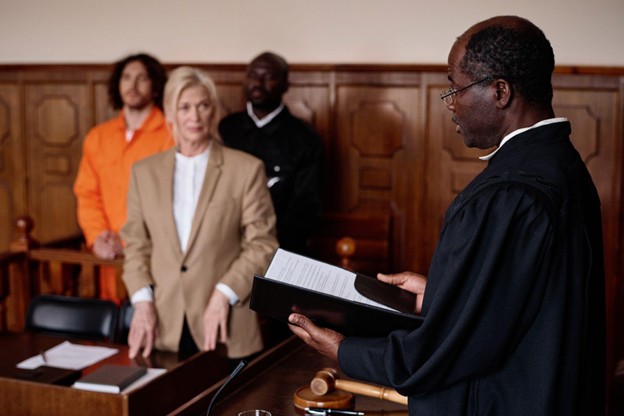
If you live in Guilford County, things are a little different than the rest of the state. Most counties have one courthouse. Guilford County has two.
- Greensboro Courthouse: Handles cases that happen in Greensboro and the surrounding northern/eastern parts of the county.
- High Point Courthouse: Handles cases that happen in High Point, Jamestown, and Archdale areas.
DWI cases in Guilford County may be heard in district court or superior court depending on the circumstances of your case. These cases are prosecuted in criminal court, not just traffic court, and the court will review aggravating and mitigating factors during sentencing.
If you get a DWI in Kernersville, you might be in Forsyth County court (Winston-Salem) OR Guilford County court, depending on exactly where you were stopped.
If you are in Asheboro, you are dealing with Randolph County court.
If you are in Burlington or Graham, you are in Alamance County court.
Why does this matter? Each courthouse has different judges and different District Attorneys. The way they handle a First Offense DWI can vary slightly. Hiring a Greensboro DWI lawyer from a reputable law office with experience in the local court system—whether your case is in district court, superior court, or another criminal court—can make a significant difference. A lawyer who knows the “local rules” is very important. Our team at Huggins Law Firm travels to all these courthouses. We know the people, and we know the process.
Can I Just Plead Guilty and Get It Over With?
We understand the urge to just pay a fine and move on. You want this nightmare to end. But pleading guilty to a DWI without legal representation is a big risk. It is important to consult a skilled attorney before making any decisions, as effective legal representation can significantly impact the outcome of your case.
A DWI conviction stays on your record forever. Unlike some other crimes, North Carolina rarely allows you to “expunge” (erase) a DWI from your record. It will show up on background checks for jobs, housing, and insurance for the rest of your life.
Before you plead guilty, our experienced attorneys look for problems in the state’s case. DWI defense lawyers are trained to identify weaknesses in the prosecution’s evidence and protect your rights throughout the process. An attorney specializing in DWI understands the nuances and has a clear strategy for challenging evidence, including questioning the officer’s reasonable suspicion for the stop and the legality of the traffic stop, as well as challenging chemical test results to weaken the prosecution’s case. We ask questions like:
- Was the stop legal? Did the officer have a real reason to pull you over? If they stopped you for no reason, the whole case could be thrown out. Challenging the stop means your attorney will question whether the officer had reasonable suspicion or probable cause to initiate the traffic stop.
- Was the machine working? Breathalyzers are machines. Machines break. If the machine wasn’t calibrated correctly, the results might be wrong. Challenging chemical test results involves examining the accuracy, calibration, and administration of breath or blood tests.
- Did they follow the rules? Officers have to follow strict steps. If they skipped a step, your rights may have been violated.
Legal representation is important for both DWI and DUI charges, as both can have serious and lasting consequences.
Even if the evidence against you is strong, having a skilled attorney is crucial for Mitigation. We can help you organize your life—getting character reference letters, doing volunteer work, and completing alcohol classes—to show the judge that you deserve the lowest possible punishment. We fight to keep you out of jail and keep you driving.
What Are the Hidden Costs of a First DWI?
The fine from the court is just the beginning. We believe in Radical Clarity, so we want you to know the full cost so you can prepare for these significant penalties.
- Court Fines and Fees: Usually several hundred dollars.
- Assessment Fees: You will have to pay roughly $100 for a substance abuse assessment.
- Mandatory Alcohol Education Programs: You will have to pay for mandatory alcohol education programs (ADETS) as part of your sentence.
- License Restoration: The DMV charges over $130 to give your license back.
- Insurance Spikes: This is the big one. According to the North Carolina Department of Insurance, a DWI conviction causes your insurance points to skyrocket. Your car insurance rates can increase by 300% or more for three years.
- Ignition Interlock: If your BAC was 0.15 or higher, you might have to pay to install a “blow and go” device in your car for a year. This can cost nearly $100 a month.
It is expensive. But investing in a lawyer to help protect your record can save you money in the long run by avoiding the worst penalties.
How Can Huggins Law Firm Help Me?
At Huggins Law Firm, our mission as a Greensboro DWI attorney is to help people rebuild their lives. We don’t judge you. We know that one night doesn’t define your whole character. Our firm has extensive experience defending clients against motor vehicle offense charges, including DWI, and we understand both the legal and personal challenges these cases bring.
When you hire us, here is what we do:
- We Listen: We sit down with you (or talk on the phone) to hear your side of the story.
- We Investigate: We pull the police report, the camera footage, and the breathalyzer logs.
- We Plan: We build a strategy just for you. Maybe we fight the stop. Maybe we negotiate for a Level 5 punishment.
- We Stand With You: We go to court with you. You don’t have to face the judge alone. We do the talking.
We serve clients in Greensboro, High Point, Winston-Salem, Graham, Burlington, Asheboro, and Kernersville. We are local lawyers who care about our community.
Key Takeaways
- Impaired Driving is Serious: Even a first offense for impaired driving is a crime, not just a traffic ticket.
- Don’t Panic: Jail time is not automatic for a Level 5 First Offense.
- License Suspension: You will lose your license for 30 days immediately, but we can often help you get a privilege to drive to work after 10 days.
- Implied Consent: Refusing to blow can cause a 1-year license revocation by the DMV.
- Levels Matter: Punishment is based on Levels 1-5. We fight to get you to the lowest level possible.
- Local Knowledge: Courts in Greensboro, High Point, and Winston-Salem operate differently. You need a lawyer who knows the difference.
- Drunk Driving Defense: It is crucial to seek drunk driving defense from a qualified attorney who understands the complexities of DWI law and evolving impaired driving regulations.
- Second Chances: A DWI is a hurdle, but it doesn’t have to ruin your life. We are here to help you get past it.
Start Your Second Chance Today
If you have been charged with a DWI in Greensboro, High Point, Winston-Salem, or the surrounding areas, do not wait. Time is critical.
At Huggins Law Firm, we are ready to fight for you. We are professional, compassionate, and experienced. Let us help you navigate the legal system and protect your future.
Contact Us Today for a consultation. Let’s get to work on your defense.
Disclaimer: The information on this website is for general information purposes only. Nothing on this site should be taken as legal advice for any individual case or situation. This information is not intended to create, and receipt or viewing does not constitute, an attorney-client relationship.