
Hearing that your child is in trouble with the law is one of the most frightening calls a parent can receive. Whether it happened in Greensboro, Winston-Salem, High Point, Burlington, or another community here in North Carolina, your first thoughts are likely about protecting your child and their future. You might wonder: Is this going on their permanent record? Will they go to jail? How is this different from adult court?
It’s completely normal to feel overwhelmed and confused. The good news is that North Carolina has a separate justice system specifically for young people (generally under 18, though recent “Raise the Age” laws have changed things for 16- and 17-year-olds in many cases). This system is supposed to focus more on rehabilitation and guidance rather than just punishment. But it’s still a serious legal process with potentially significant consequences.
Here at Huggins Law Firm, our team understands the unique challenges and sensitivities involved in juvenile cases. We handle Criminal Law matters for both adults and young people, and we know how crucial it is to navigate the juvenile system carefully to achieve the best possible outcome for your child’s future. This page explains how North Carolina’s juvenile justice system works and why having an experienced lawyer familiar with these cases is so important.
How is North Carolina’s Juvenile Court Different from Adult Criminal Court?

The biggest difference is the goal. While adult criminal court focuses primarily on punishment and accountability for a crime, the North Carolina juvenile justice system (governed largely by Chapter 7B of the NC General Statutes) is designed with these key principles in mind:
- Rehabilitation: The main focus is on helping the child understand their actions, address underlying issues (like substance abuse or family problems), and get back on the right track.
- Protection of the Public: The system also aims to keep the community safe.
- Accountability: Children are still held accountable for their actions, but the consequences are intended to be corrective rather than purely punitive.
- Family Involvement: The system recognizes the important role families play and often involves parents or guardians in the process.
Key Differences in Procedure:
- Terminology: Instead of being found “guilty” of a “crime,” a juvenile is found “responsible” for a “delinquent act.” Instead of an “arrest warrant,” officers often file a “juvenile petition.”
- Confidentiality: Juvenile court proceedings and records are generally confidential and not open to the public like adult criminal records. This is crucial for protecting a child’s reputation and future opportunities. (There are exceptions, especially for serious offenses or older juveniles).
- Court Setting: Hearings are usually less formal than adult trials, often held before a District Court Judge without a jury.
- Sentencing (“Disposition”): Instead of prison sentences, judges impose “dispositions” aimed at rehabilitation. This could range from probation and counseling to placement in a youth development center (often called “training school”) for more serious offenses. The focus is on the needs of the child as much as the offense itself.
Raise the Age: It’s important to know that North Carolina recently implemented “Raise the Age” legislation. Now, most offenses committed by 16- and 17-year-olds are initially handled in juvenile court, rather than automatically going to adult court as they did previously (except for serious felonies like murder or certain violent crimes). This was a major change designed to give more young people access to the rehabilitative focus of the juvenile system. (Source: NC Department of Public Safety – Juvenile Justice Raise the Age).
What Kinds of Cases End Up in Juvenile Court in NC?

Juvenile court handles cases involving alleged law violations by individuals who are typically under 18 years old (with the “Raise the Age” provisions for 16-17 year olds). These “delinquent acts” can range widely, just like adult crimes:
- Property Offenses: Shoplifting (larceny), vandalism (damage to property), breaking and entering, motor vehicle theft.
- Assaults and Fights: Simple assault, affray (fighting in public).
- Drug Offenses: Possession of marijuana, paraphernalia, or other controlled substances.
- Alcohol Offenses: Underage possession or consumption of alcohol.
- School-Related Offenses: Disruptions, threats, bringing weapons onto school property (which often have specific, serious consequences).
- More Serious Felonies: While many serious felonies committed by older teens might be transferred to adult court, juvenile court often handles cases like robbery, burglary, or felony assaults for younger individuals or those without extensive prior records.
A Less-Discussed Stat – School Referrals: A significant portion of juvenile complaints don’t start with a police arrest on the street, but with a referral from a school. Data from the NC Department of Public Safety often shows that school-based complaints make up a substantial percentage of all juvenile delinquency referrals statewide. ([Source: NC DPS Juvenile Justice Annual Reports or Data Dashboards]). This highlights the importance of understanding school disciplinary policies and how they intersect with the juvenile justice system. Sometimes, incidents that could be handled internally by the school quickly escalate to court involvement, making early legal intervention critical.
Even if the offense seems minor, like shoplifting or simple possession, having a juvenile record can still create future obstacles. Protecting your child starts with understanding the process.
What Happens After My Child is Accused of a Delinquent Act? (The Process)
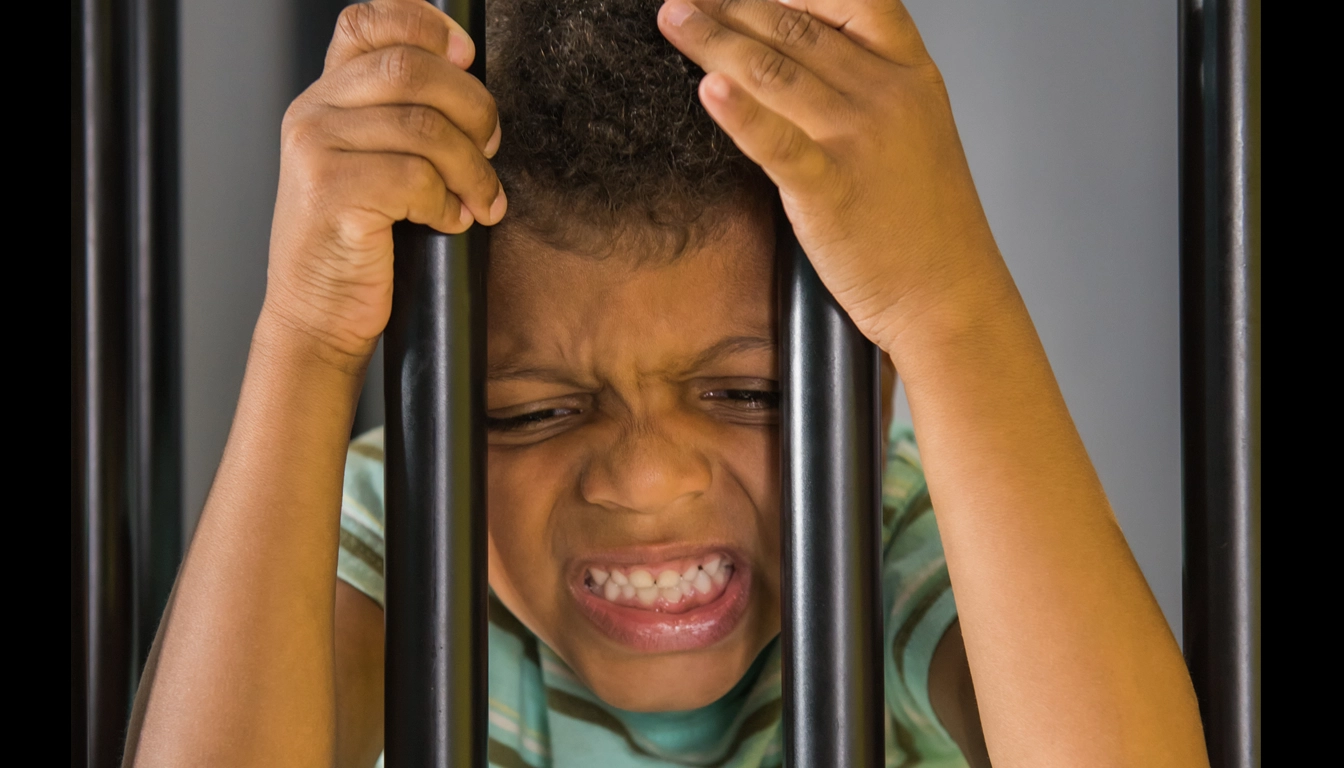
The juvenile justice process in North Carolina has several steps, which can be confusing for families. Here’s a general outline:
- Complaint/Intake: Law enforcement or school officials file a complaint with a juvenile court counselor. The counselor reviews the complaint and decides whether to approve it for court action, divert it to a community program, or close it. This “intake” stage is crucial – sometimes a lawyer can intervene here to advocate for diversion instead of court.
- Petition: If the complaint is approved for court, a formal “Petition” is filed, alleging the child committed a delinquent act. This is similar to charging documents in adult court.
- First Appearance/Secure Custody Hearing: If the child is taken into custody, they must have a hearing quickly (usually within 5-7 days) to determine if continued secure custody is necessary. Parents have a right to be present and have a lawyer.
- Probable Cause Hearing: For felony charges, a hearing is held where the prosecutor presents evidence to show there’s probable cause to believe the child committed the offense.
- Adjudication Hearing: This is the equivalent of a trial in adult court, but held before a judge only (no jury). The prosecutor presents evidence, and your child’s lawyer presents a defense, cross-examines witnesses, and argues the case. The judge decides if the state has proven beyond a reasonable doubt that the child committed the delinquent act.
- Disposition Hearing: If the judge finds the child responsible (adjudicates them delinquent), a separate hearing is held to determine the consequences (“disposition”). The judge considers a report prepared by court counselors about the child’s background, needs, and risks, as well as the nature of the offense. Options range from probation (Level 1), intermediate sanctions like intensive probation or electronic monitoring (Level 2), to commitment to a youth development center (Level 3). The goal is the least restrictive option that meets the child’s needs and protects public safety.
Throughout this process, your child has important rights, including the right to remain silent, the right to a lawyer (including a court-appointed one if you cannot afford one), and the right to have their parents present. Having your own experienced juvenile defense lawyer ensures these rights are fully protected.
Why is Protecting a Child’s Future So Important in Juvenile Cases?
While the juvenile system aims for rehabilitation, an adjudication of delinquency can still have serious long-term consequences that parents need to be aware of:
- Potential for Adult Record: While juvenile records are generally confidential, records of certain serious felonies committed at older ages (especially Class A-E felonies) might become public or accessible in ways similar to adult records. Transfer to adult court for serious offenses creates a permanent adult criminal record.
- Impact on Schooling: An adjudication could lead to suspension or expulsion from school, especially for offenses occurring on school grounds or involving weapons or drugs.
- Difficulty with Employment: Even confidential juvenile records might need to be disclosed on some job applications, particularly for government jobs or positions requiring security clearances or involving childcare.
- Military Service: A juvenile record, especially for felonies or drug offenses, can be a barrier to enlisting in the armed forces.
- College Applications: Some colleges ask about juvenile adjudications, which could impact admissions decisions.
- Future Sentencing: While sealed, a prior juvenile adjudication for a serious offense can sometimes be used to increase points under North Carolina’s sentencing guidelines if the person commits a crime later as an adult.
The Goal: Minimizing Long-Term Harm An experienced juvenile defense lawyer’s primary goal is to minimize these long-term impacts. This involves:
- Seeking Diversion: Trying to resolve the case before a petition is filed, through community programs, counseling, or restitution, avoiding court involvement altogether.
- Negotiating for Dismissal or Reduced Charges: Challenging the evidence and negotiating with the prosecutor (called the District Attorney’s juvenile prosecutor) for the best possible outcome.
- Fighting the Charges at Adjudication: Presenting a strong defense to try and get a “not responsible” finding from the judge.
- Advocating for the Least Restrictive Disposition: If found responsible, arguing for probation, counseling, or community-based programs instead of commitment to a youth development center.
- Ensuring Record Confidentiality & Expungement: Making sure records are properly sealed and advising on future eligibility for expungement (the process of legally destroying the record), which is often more accessible for juvenile matters than adult convictions (NC Courts Expunction Information).
Protecting your child’s future opportunities is paramount in every juvenile case our firm handles, whether “near me” in Greensboro, Winston-Salem, or surrounding counties.
How Can a Huggins Law Firm Lawyer Help Your Child?
Navigating the juvenile justice system in North Carolina requires a lawyer who not only understands criminal defense but also appreciates the unique goals, procedures, and potential outcomes of juvenile court. The team at Huggins Law Firm brings:
- Experience in Juvenile Court: We regularly handle cases in the juvenile courts of Guilford, Forsyth, Alamance, Randolph, and surrounding counties. We know the judges, the prosecutors, the court counselors, and the local procedures.
- Focus on Rehabilitation: We work to present your child in the best possible light, highlighting mitigating factors and advocating for dispositions that focus on help and support rather than just punishment.
- Strong Defense Strategies: We thoroughly investigate the allegations, challenge weak evidence, protect your child’s constitutional rights (like illegal searches or questioning), and build the strongest possible defense against the charges.
- Commitment to Communication: We keep parents fully informed throughout the process, explaining each step in clear, simple language and involving you in critical decisions.
- Protecting the Future: Our ultimate goal is to minimize the long-term impact on your child’s record and opportunities. We fight for outcomes that allow them to move forward positively.
We handle a wide range of Criminal Law matters, and applying that broad experience to the specific context of juvenile court allows us to provide effective representation for young people facing charges.
Key Takeaways for North Carolina Juvenile Defense Cases
- NC’s juvenile system (under 18, including most 16-17 year olds) focuses on rehabilitation, not just punishment.
- Procedures are different: “delinquent acts” not “crimes,” “responsible” not “guilty,” confidential records, no jury trials.
- “Raise the Age” means most 16-17 year olds now start in juvenile court.
- Common cases include theft, assault, drugs, alcohol, and school offenses.
- An adjudication (finding of responsibility) can still have long-term impacts on school, jobs, military, and future sentencing.
- Diversion (avoiding court) is often a key goal.
- An experienced juvenile defense lawyer protects your child’s rights, challenges evidence, negotiates, and advocates for the best outcome to protect their future.
- Record confidentiality and expungement are critical considerations.
If your child is facing juvenile charges in Greensboro, Winston-Salem, or the surrounding North Carolina communities, their future is on the line. Don’t navigate this complex system alone. The compassionate and experienced Criminal Law team at Huggins Law Firm is here to protect your child’s rights and fight for the best possible outcome. Contact us today for a confidential consultation.